What Table View Roofs Actually Need Repaired
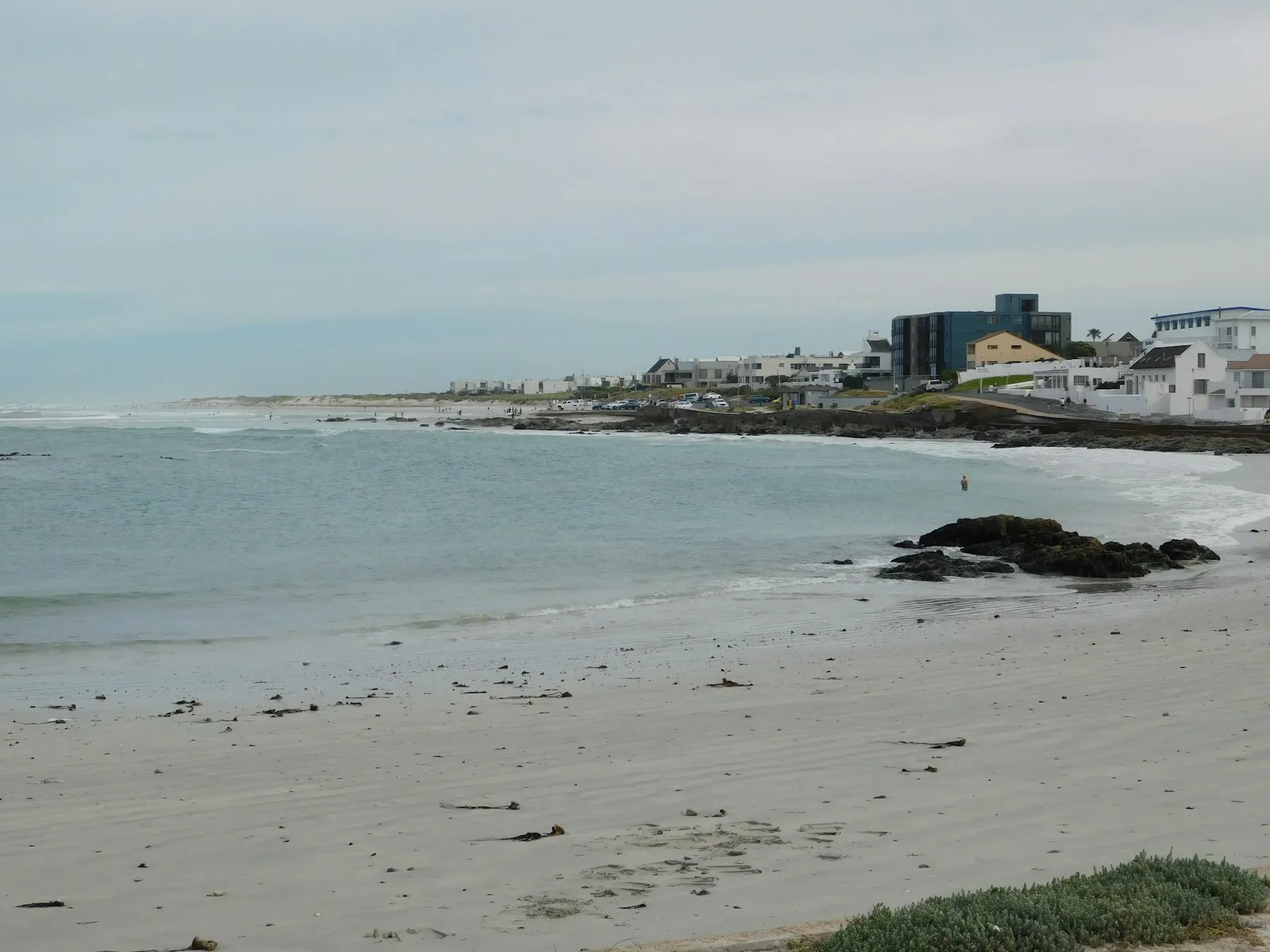
Most Table View roofs that leak are not old roofs. They are coastal roofs, and the coast wears out the small parts first.
On a metal roof that means the screws and their washers, the laps between sheets and the flashings at walls and ridges. Salt settles on the roof, works at every point where the coating has been broken, and a fixing that would last decades inland can fail in a fraction of the time here. The sheeting around it is often still sound.
On tiled estate roofs it means ridge bedding cracked by wind and movement, slipped tiles, and valleys that hold sand. On flat and low-pitch sections it means outlets, upstands and the junction with the rest of the roof.
So most roof repairs in Table View are refixing, resealing and reflashing rather than replacement. We tell you which yours needs, and what can wait.
Newer Houses, Different Leaks
Much of Table View, Parklands and Sunningdale is relatively recent, and newer houses fail in their own ways.
Flat and pitched sections meeting. The junction between a contemporary flat roof and a pitched one is a common leak point, especially where it was finished with sealant rather than a proper flashing.
Parapets and box gutters. Detail-heavy, and unforgiving when the detail is short.
Penetrations added later. Solar brackets, aircon units and satellite dishes, fixed through the roof by different installers and rarely sealed for salt air.
Repeated details. On estate housing the same detail is built on every house, so a leak on one house is often a leak on the street. Where a house is young enough that a construction defect may be someone else’s responsibility, we tell you before you pay for the repair.
Wind, Sand and the Winter Front
The summer south-easter blows hard across the Table Bay frontage. It is dry, so it causes no leaks, but it lifts sheet edges with failed fixings, cracks ridge bedding and fills gutters and outlets with sand that sets into a dense silt.
Then the north-westerly fronts arrive off Table Bay at 50 to 65kph, carrying roughly 70% of the year’s rain between June and September. They drive rain uphill through end laps and under flashings, and they find every outlet the sand has blocked.
That is why so many Table View roofs are fine all summer and leak in the first front of winter.
Repairs That Last on the Coast
A repair near the sea has to be specified for the sea.
Compatible fixings. Screws and washers matched to the sheeting, so the new fixing does not corrode against the sheet.
Sealants that survive UV. Products that stay flexible in the sun, used as part of a repair rather than instead of one.
Flashings lapped and fixed properly, in a material compatible with the roof.
Rust treated early on sheeting that is still sound, before it spreads under the coating.
We check every repair after its first winter, because that is when a coastal repair proves itself.