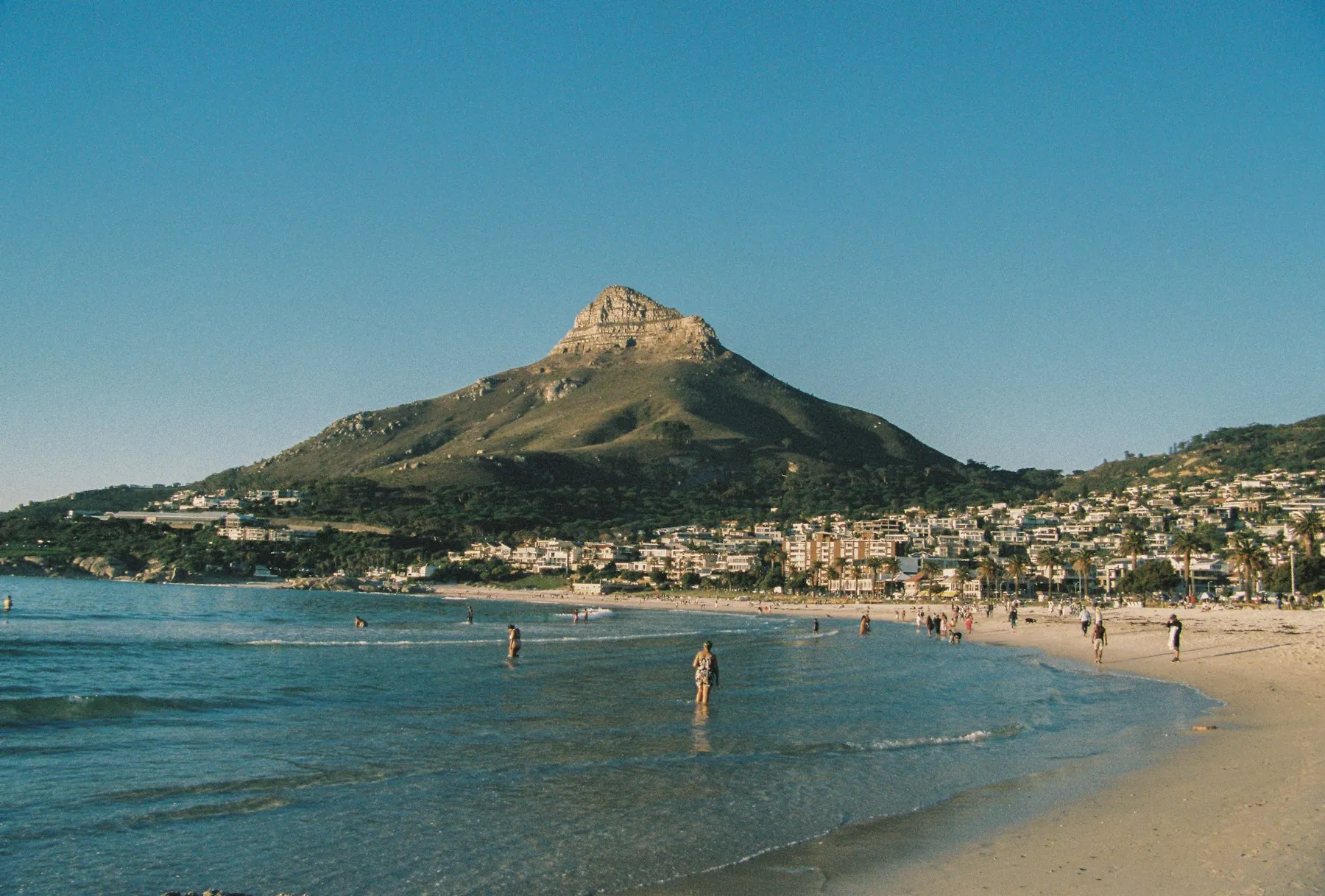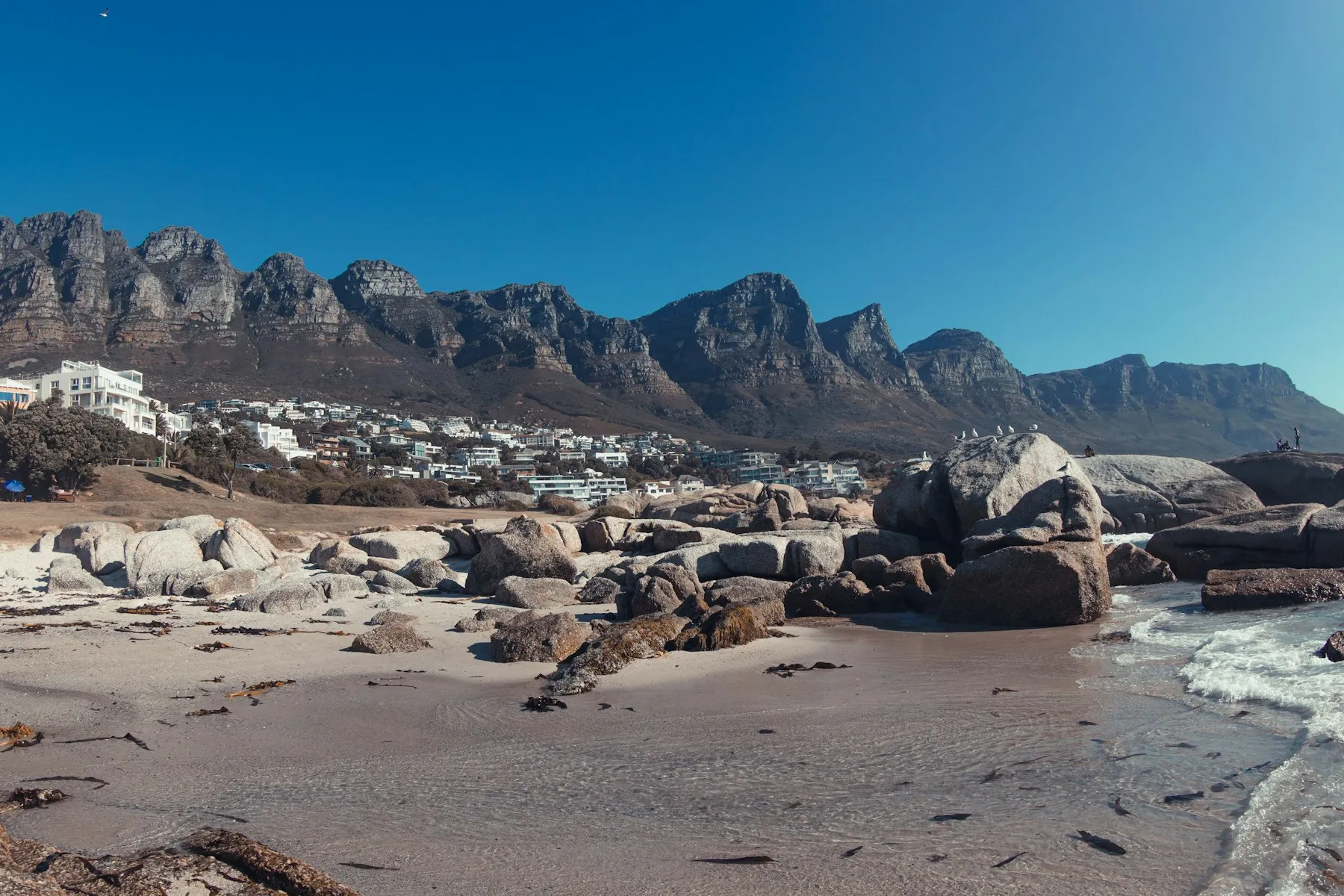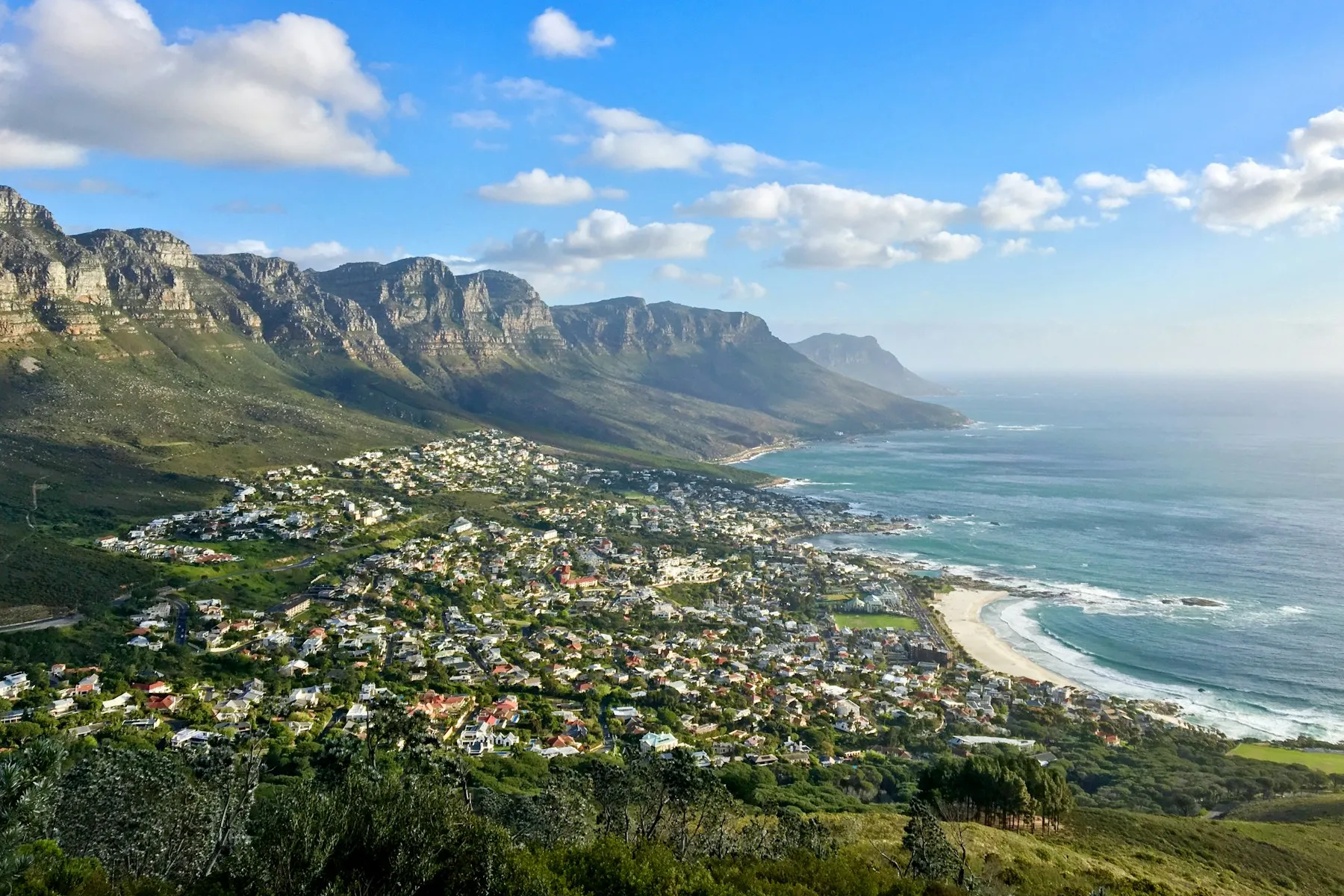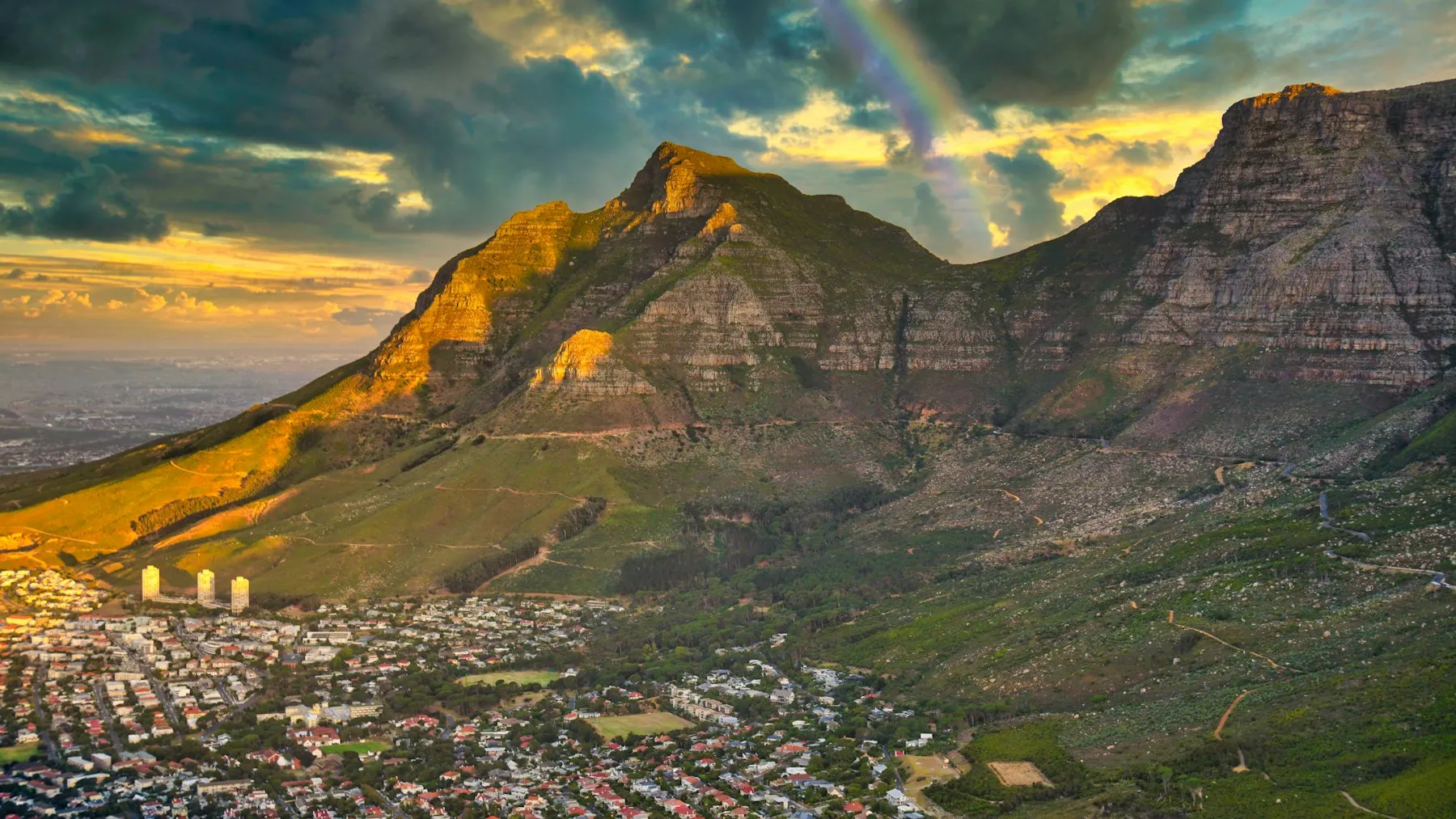
Housing built into the mountain slopes above Cape Town

Foundation Waterproofing Cape Town

Foundation waterproofing in Cape Town matters most on a sloped site, because the water arriving at your walls is not the rain that fell on your property. It came from uphill. Free inspection, two-year written guarantee.

Sloped Sites Collect Water You Never See

On a flat site, rain falls, some soaks in, some runs off, and the ground around a house wets and dries roughly evenly.

On a slope, the ground is a catchment. Water falling anywhere uphill moves downhill through the soil, and it keeps moving until something stops it. A house built into a slope is exactly that something. The uphill wall of the building becomes a dam, and through a Cape Town winter it holds back saturated soil for months.

This is why so much of Cape Town has this problem. The city is built on and around mountains, and a very large share of its housing sits on ground that slopes. The eastern slopes above Kirstenbosch and through Constantia are wetter still, because orographic lift pushes air up the mountain and drops considerably more rain there than falls on the City Bowl or Camps Bay a few kilometres away.

The homeowner sees damp appearing at the base of an internal wall in July and assumes rising damp. What is actually happening is that the soil against the outside of that wall has been saturated for six weeks.

What Actually Fails

No barrier on the buried face. In a lot of older construction, the buried part of a wall was simply built, with no tanking or waterproof coating on the earth side. It works fine until the soil stays wet long enough.

Failed or absent surface drainage. Water arriving at a building should be intercepted before it gets there. A subsoil drain uphill of the structure, laid to fall and discharging somewhere sensible, does more than any coating. Many Cape Town properties have none, or have one that silted up decades ago.

Downpipes discharging at the base of a wall. Astonishingly common, and it saturates the foundation of one specific spot continuously through a whole winter.

Raised ground levels. Paving, patios and garden beds built up against a wall above the damp proof course. Water enters the wall above the barrier, and no amount of foundation work fixes it because the water is not coming from the foundation.

Blocked or absent weep holes in cavity construction.

Cracked or missing surface falls around the perimeter, so rain that lands next to the building soaks in rather than running away.

What We Do About It

Diagnosis first. Moisture readings, external ground levels, drainage layout, downpipe discharge points, and where the water is actually arriving from.

Drainage before coatings, wherever possible. Intercepting the water uphill of the structure is more effective and usually cheaper than trying to hold it back at the wall. A properly laid subsoil drain in a stone-filled trench with a geotextile wrap, discharging to a stormwater connection, solves a great many of these problems on its own.

Ground level correction. Where paving or beds have been built up above the DPC, lowering them or cutting a channel is a straightforward fix for what looked like a serious damp problem.

Waterproofing to the buried face, where excavation is practical and the situation warrants it.

Internal tanking, where excavation is not practical, holding water on the negative side. Less desirable than stopping it outside, but sometimes the only option.

Surface falls and perimeter drainage, so water lands and leaves rather than lands and soaks.

The Cape Town Winter Soil

The pattern here is different to a climate with year-round rainfall, and it changes what matters.

Roughly 70% of the annual rain falls June to September, in concentrated fronts. Soil that has been dry and shrunken through a long summer takes the first heavy front badly, because dry ground sheds water rather than absorbing it. As winter goes on, the ground becomes progressively more saturated, and by August the soil against a buried wall on a sloped site may have been fully wet for weeks continuously.

Cut-off low pressure systems complicate it further. They can form at any time of year, sit over the region for days, and produce sustained heavy rainfall well outside the normal winter window.

The practical result is that foundation problems in Cape Town are seasonal and severe rather than constant and mild. A wall that is bone dry in February can be visibly wet in August, which is exactly the pattern people mistake for rising damp.

How It Works

  1. 1

    Free site inspection

    Levels, drainage, discharge points and moisture readings assessed.

  2. 2

    Written quote before work starts

    Drainage, excavation and waterproofing itemised separately.

  3. 3

    Work carried out

    Drainage first where that is the answer, because intercepting the water beats holding it back.

  4. 4

    Guarantee and follow-up

    Two-year written guarantee, plus a check after the first winter.

What Foundation Waterproofing Costs

  • Whether drainage or waterproofing is the answer.Drainage is often both cheaper and more effective.
  • Excavation.The largest variable. Depth, access for machinery, and what is in the way.
  • Length of wallaffected.
  • Whether internal tanking is neededbecause excavation is impractical.
  • Reinstatement.Paving, landscaping and surfaces put back.
  • Discharge.Whether there is a stormwater connection to run a drain to.
Get a written quote

Why Choose Us

  • We inspect before we quote

    Nobody prices a roof from a photograph or a phone call. We get on the roof or into the roof void, establish what is actually wrong, and quote from that.

  • Preparation is quoted separately

    Substrate repair, falls correction and strip-off appear as their own line items. That is the part that determines whether the work lasts, and the part most quotes hide.

  • We say when repair is the cheaper answer

    Plenty of roofs quoted for replacement need a day of repairs. We tell you which yours is, including when it means a smaller invoice for us.

  • Two-year written guarantee, in writing

    Minimum two years on our workmanship, with the scope set out on the quote before you sign. We check the work again after the first winter.

Foundation Waterproofing FAQs

How much does foundation waterproofing cost in Cape Town?

Excavation is the main cost, so access and depth drive it. Where drainage is the answer rather than tanking, it is usually cheaper and works better. We quote drainage, excavation and waterproofing as separate items.

My wall is damp at the bottom in winter and dry in summer. Is that rising damp?

Often not. On a sloped site it is frequently saturated soil against the outside of the buried wall through the wet months. Rising damp does not switch off in February the way this does.

Do I need a drain or waterproofing?

Usually a drain, if it can be done. Intercepting water uphill of the building is more effective than trying to hold it back at the wall face, and it deals with the cause rather than the symptom.

Why is this worse on my sloped property?

Because the ground uphill drains through the soil toward you, and your uphill wall stops it. On the eastern slopes above Kirstenbosch and through Constantia, considerably more rain falls than in the City Bowl, which compounds it.

Can it be fixed from inside without digging?

Internal tanking holds water back on the negative side and is sometimes the only practical option. It is second best, because the wall stays wet and the water pressure is still there. We are straight about that trade-off.

My downpipe discharges next to the wall. Does that matter?

Enormously, and it is one of the most common causes we find. A downpipe emptying at the base of a wall saturates that spot continuously for the whole winter. Re-routing it is cheap and often solves the problem.

I paved right up against my house. Could that be it?

Very possibly. If the paving sits above the damp proof course it bridges the barrier and water enters the wall above it. Lowering the level or cutting a channel usually fixes what looked like a serious problem.

When should this work be done?

Summer. Excavation in saturated winter soil is difficult, messy and sometimes unsafe on a slope. December to March is the window.

Will I have to redo my garden or paving?

Where excavation is needed, yes, in the affected area. We tell you the extent and include reinstatement in the quote rather than leaving you with a trench.

Free inspection, written quote, no obligation

We come out, establish what is actually wrong, and put it in writing with preparation costed separately from the waterproofing.

  • We inspect before we quote, on the roof or in the roof void
  • Preparation and substrate work itemised separately
  • Two-year written guarantee
  • A check after the first winter
068 890 3548

Request a quote

Tell us what is happening and we will arrange the inspection.

No charge for the inspection, and no obligation.

Call for a free inspection