Paint Goes On Last
A roof paint job is mostly preparation. The painting itself is the shortest part.
The order is fixed. Clean the roof, inspect it now that it is visible, repair whatever the clean uncovers, let the repairs cure, prime, then paint. Skip a step and the paint fails with it. Paint over moss and it peels with the moss. Paint over a cracked ridge and the ridge still leaks, now under a fresh coat that makes it harder to see.
This is also why we do not quote a price to paint a roof we have not been on. The paint is predictable. The preparation is not, and it decides whether the job lasts.
What Roof Paint Does, and What It Does Not
It does make a faded, stained roof look new. It protects the surface from UV and weathering, reduces the porosity of old concrete tiles, and protects sound metal sheeting once rust has been treated. In a light colour, it reflects heat so the roof space runs cooler.
It does not waterproof. Roof paint is a thin coating. It cannot bridge a crack, seal a failed flashing, close a perished screw hole or hold back standing water. It is often sold in Cape Town as the answer to a leak. If your roof leaks, the leak gets repaired first, and the roof gets painted after if you want it to look right.
Rubberised and elastomeric roof paints sit between the two. They are thicker and more flexible, and cope with hairline movement better. They are still a coating rather than a membrane, and they do not fix what is wrong underneath.
Tiles, Metal and Fibre Cement
Concrete tiles are cleaned and any loose surface removed, sealed or primed where the surface is porous or chalky, then topcoated. Ridge bedding and pointing are repaired before anything is painted.
Metal sheeting has surface rust treated, bare and treated areas primed with a primer suited to the metal, then topcoats. New galvanised sheeting needs its own preparation before paint will hold. Perforated sheets are replaced, not painted.
Fibre cement is painted with a system made for it. Older fibre cement may be asbestos cement, which we identify during the inspection. We do not clean or paint it, because cleaning it releases fibres, and we refer you to a registered contractor.
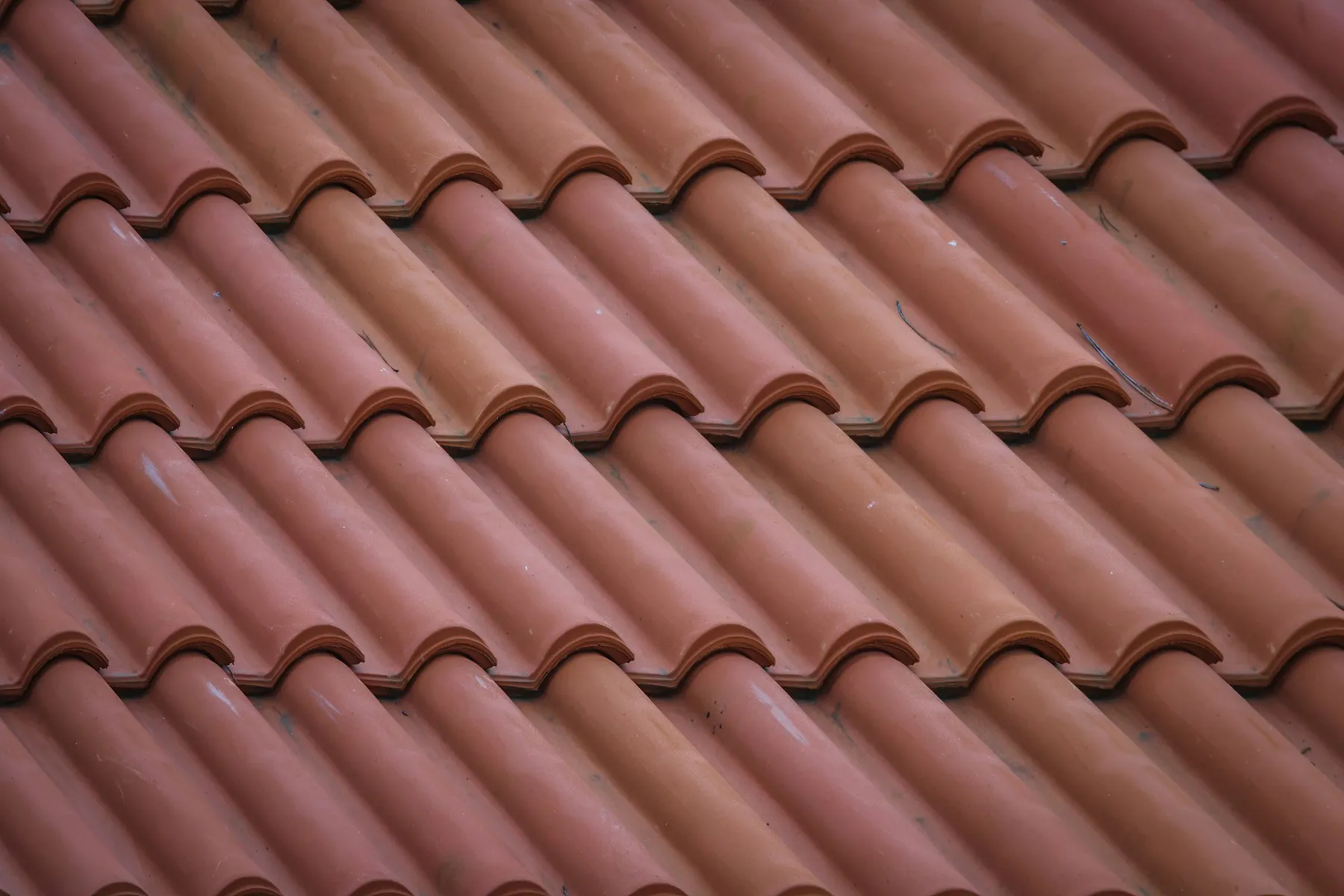
Clay tiles usually do not need paint, and paint holds poorly on their dense surface. We tell you if yours are better left alone.
Painting Around the Cape Town Weather
Roof paint needs a dry surface going on and a dry spell to cure. Roughly 70% of Cape Town rain falls between June and September, so roof painting belongs outside those months.
Wind is the other constraint. A south-easter blows grit and sand onto wet paint and dries the surface too fast. We paint on calm days, which in summer usually means early starts.
Near the sea, salt settles on the roof surface. It is washed off before priming, or the paint bonds to the salt instead of the roof.