Clear Them Before the Window Opens
Cape Town rain has a season, and it is unusually well defined. Around 70% of the annual total falls June to September. February is under 20mm. June is 85 to 130mm depending on where you are.
That means there is a right time to clean gutters, and it is March or April.
Through summer, the south-easter fills gutters with leaves, sand, dust and whatever is on the roof. Nothing happens, because it does not rain. Then the first cold front arrives, hits a partly blocked gutter with more water in three hours than the whole of February, and it overflows.
Clean in autumn and the system meets winter clear and at full capacity. Clean in July and you are removing the blockage after it has already been running down your wall for a month.
What We Find While Clearing
Clearing a gutter puts us on a ladder or the roof at every point along the building, looking closely at things nobody looks at. The clean is the job, but the report is the value.
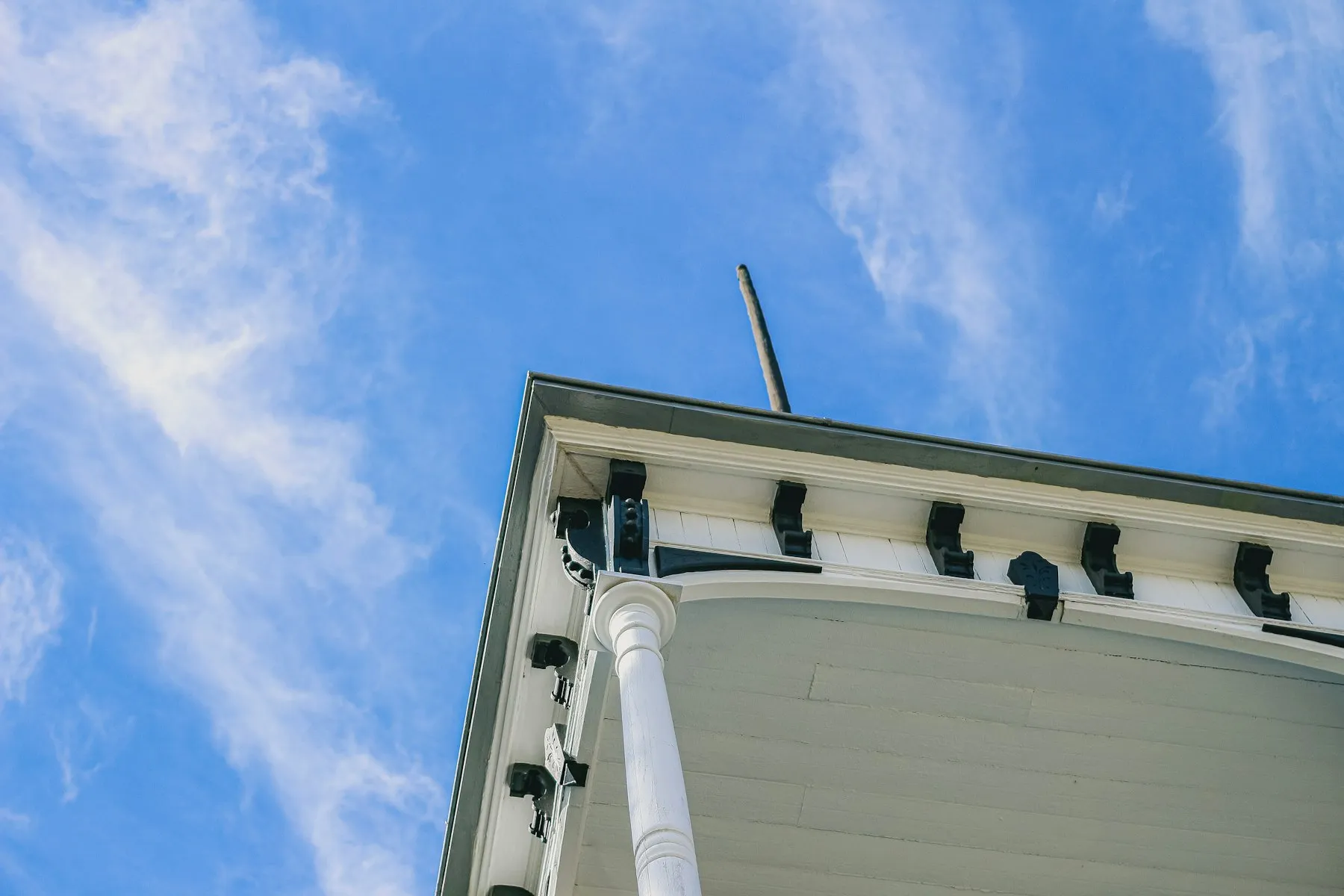
Rotting fascia and barge boards, wet for so long that the timber has gone soft, usually invisible until the gutter comes off.
Failed joints in the gutter run, which drip continuously onto whatever is below.
Sagging runs where a bracket has pulled out, so water sits in the gutter instead of flowing to the downpipe. Standing water in a gutter is a mosquito problem as well as a corrosion problem.
Corroded sections, especially near the coast, and especially at the joints and bracket points where the coating is broken.
Blocked or disconnected downpipes, discharging at the top rather than at the bottom.
Roof faults visible from the gutter line. Slipped tiles, lifted sheet edges, failed flashings at the eaves.
Valleys full of debris, which is a leak waiting for the first front.
You get told all of it, with photographs, and repairs quoted separately with no obligation.
Under Trees, and Near the Sea
Trees change the schedule. Properties in Constantia and Bishopscourt, with mature oaks, pines and plane trees, need clearing twice a year rather than once. Leaf fall in autumn is the obvious one. Pine needles are worse than leaves because they knit into a mat that water cannot get through, and they arrive all year.
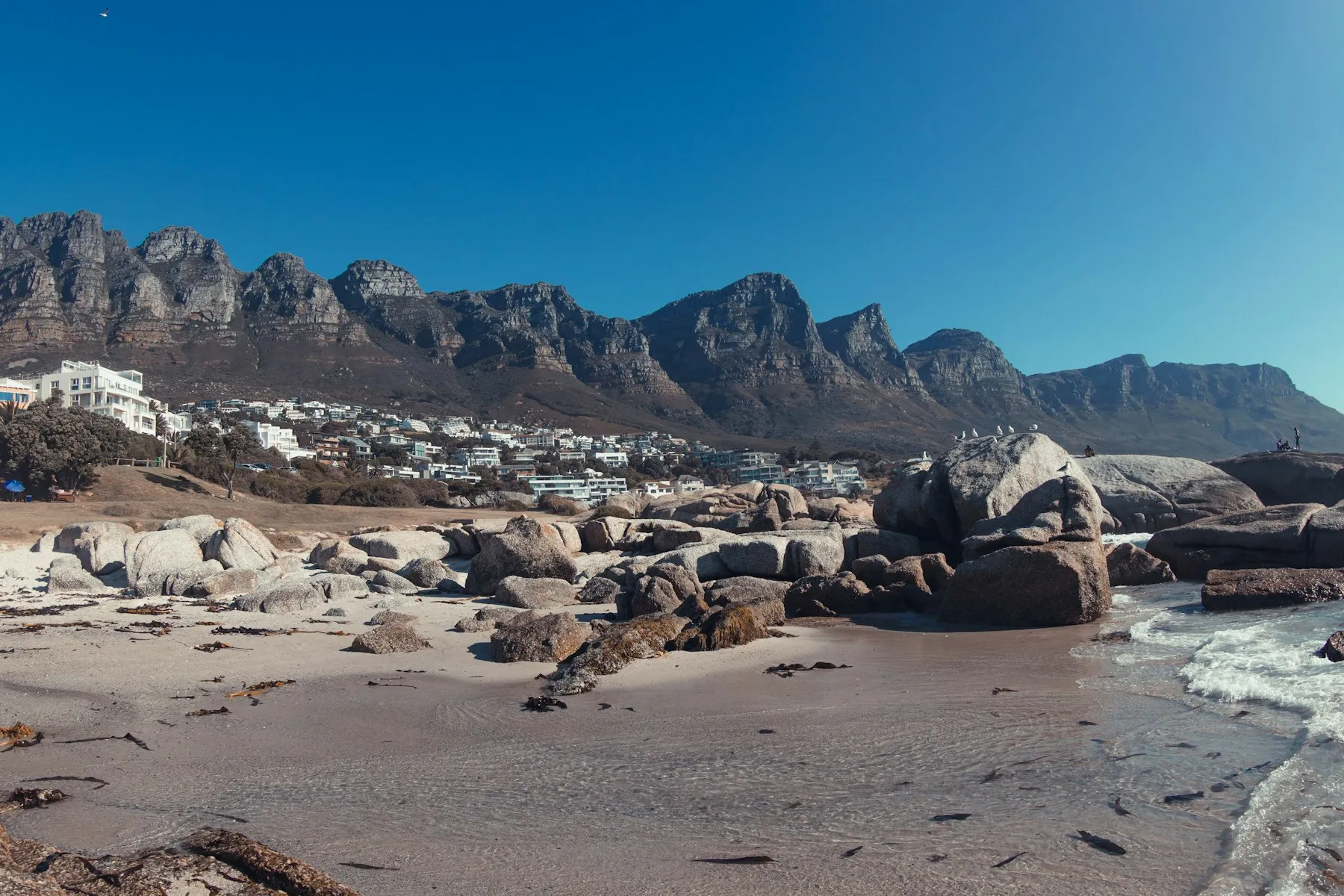
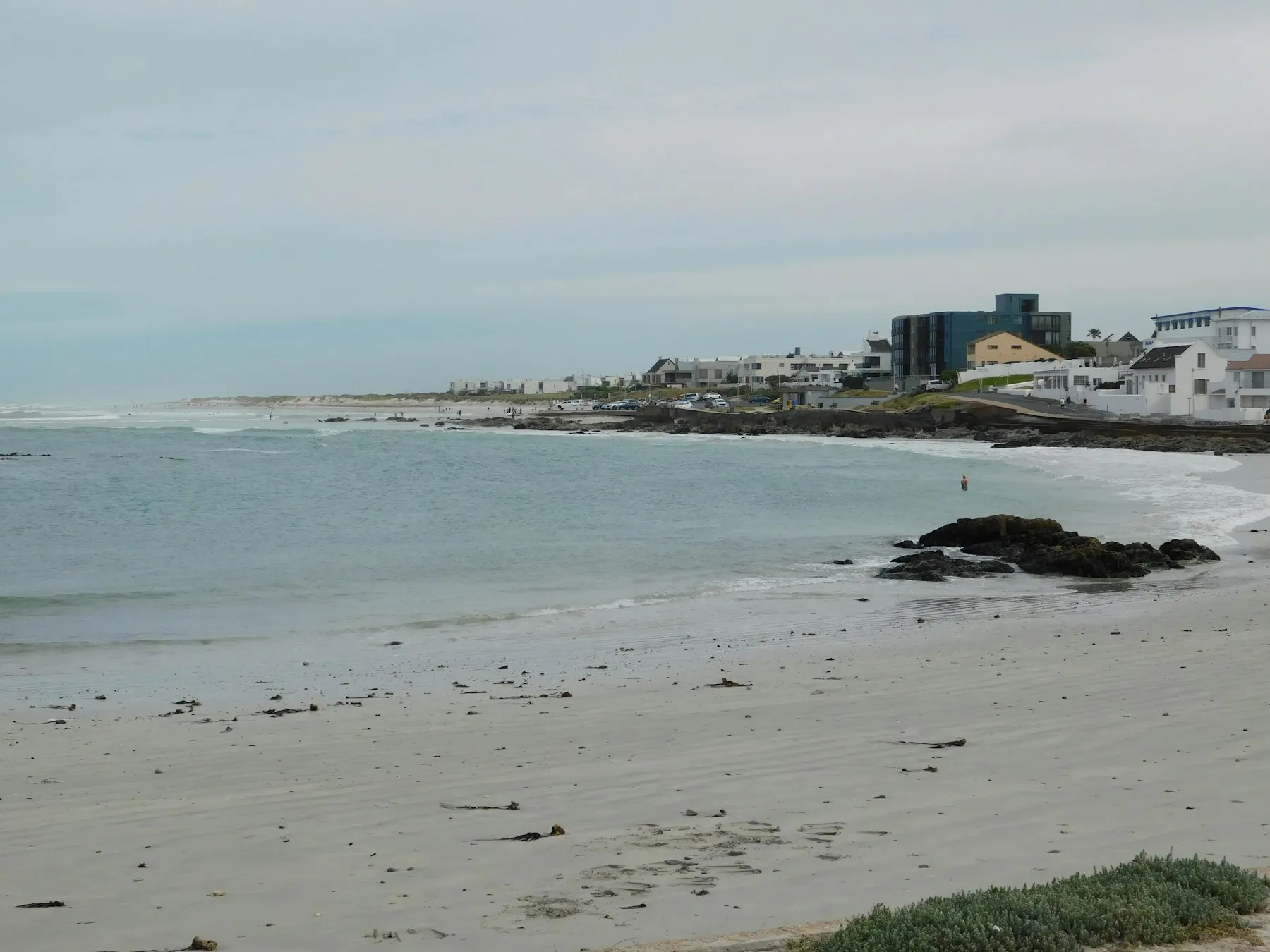
Coastal properties have a different problem. Wind-blown sand, particularly on the Atlantic Seaboard and the West Coast side, settles in gutters and forms a dense silt that holds water against the metal permanently. Combined with salt, that accelerates corrosion at exactly the points where the gutter needs to be sound.
Shaded roofs grow moss, and moss sheds into gutters continuously.