A Beachfront Roof Ages Faster
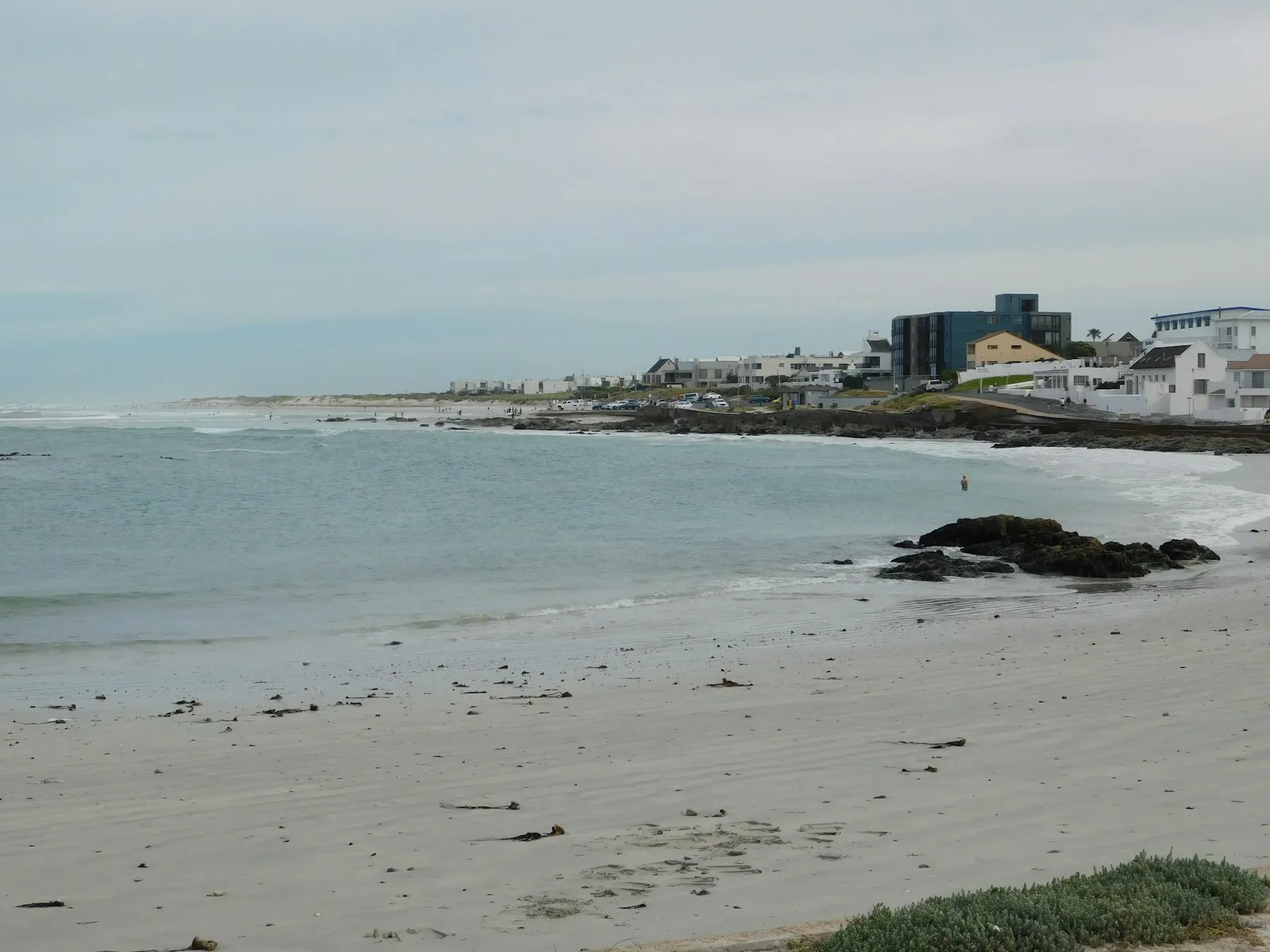
A roof in Bloubergstrand is exposed on every side. There is nothing between it and the sea, and the weather comes at it from two directions depending on the season.
Salt is the constant. It settles on the roof every day, and it attacks every point where the protective coating has been broken: screw holes, cut edges, laps and the fixings of anything bolted through the roof. Those are the parts that fail first, often while the rest of the roof still looks sound from the beach.
That changes what a repair is. Most roofs here do not need replacing. They need the corroded parts found and replaced with parts that will survive the same exposure, before rust spreads from the fixings into the sheets.
The Repairs We Do Most in Bloubergstrand
Fixings. Corroded screws and perished washers replaced with fixings compatible with the sheeting.
Rusted sheets and flashings, replaced individually where they have rusted through, and treated where the rust is still on the surface.
Ridge cappings and closures, refixed and closed so wind-driven rain cannot get in along the top of the roof.
Lifted sheets, refixed into sound purlins after the south-easter has worked them loose.
Tiled roofs, where ridge bedding has cracked and tiles have slipped in the wind.
Flat roofs and roof decks, at the upstands, outlets and every fixing through the deck.
Two Winds, Two Kinds of Damage
The south-easter, through summer, blows hard and dry across the open beachfront. It does not put water in, but it lifts anything loose, cracks bedding, and drives sand into gutters, valleys and outlets.
The north-wester, from late autumn, brings the rain. Roughly 70% of the year’s rainfall arrives between June and September, on fronts at 50 to 65kph, and it comes in sideways off the Atlantic. Rain moving that way is pushed uphill through laps and under flashings, into the gaps the summer wind opened.
So the damage is done in December and shows up in June. Repairs made in March and April close those gaps before they are tested.
Repairs Specified for the Sea
A repair that would last decades inland can fail in a few seasons on the beachfront if it uses the wrong materials.
Fixings and flashings compatible with the roof, so they do not corrode against it.
Sealants that stay flexible in sun and salt, used as part of a repair rather than as the repair.
Rust treated while it is still on the surface, because once it is through the sheet the only answer is replacement.
We check every repair after its first winter on the coast, because that is the real test.