What You Are Actually Buying
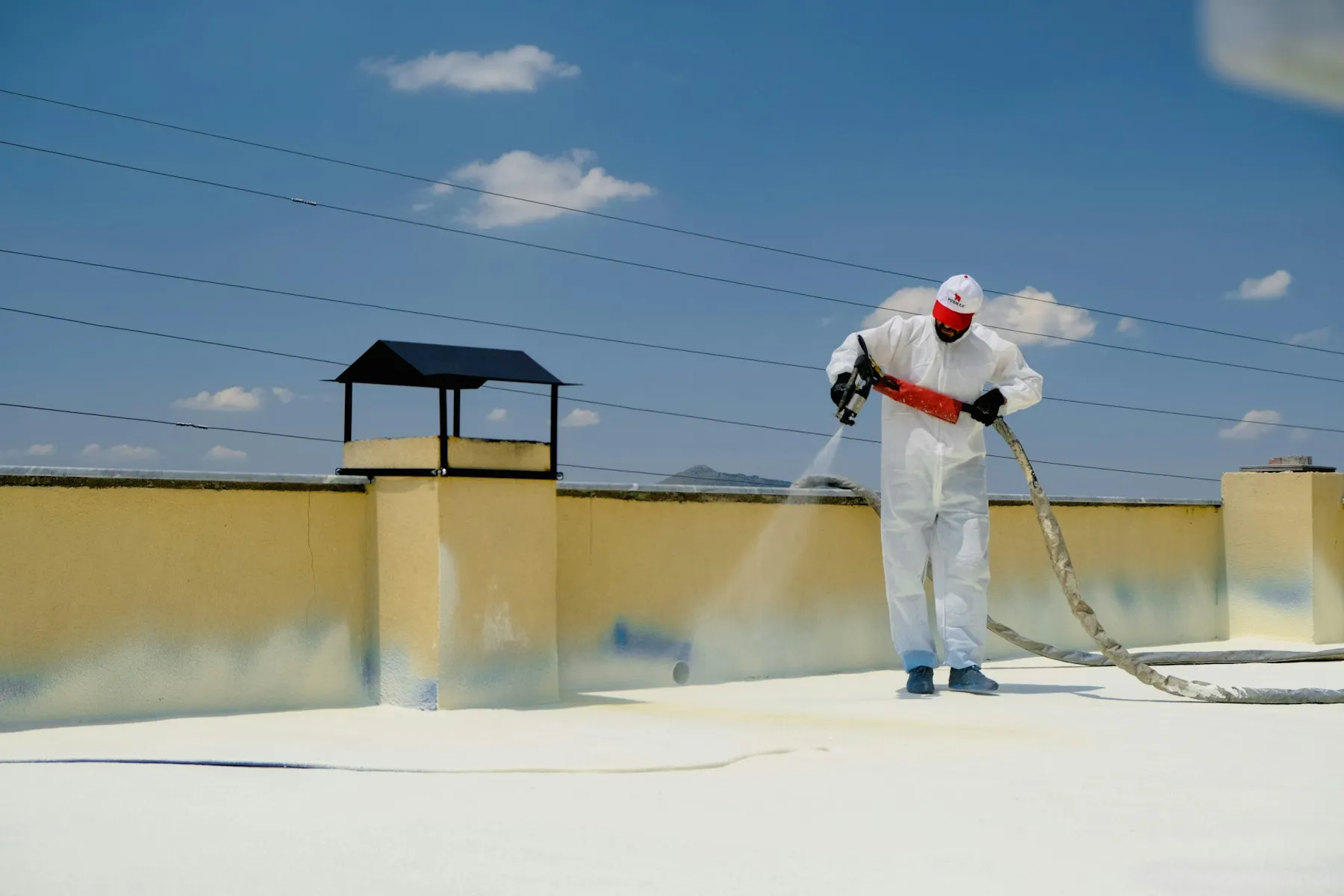
Insulating roof coatings are thick, light-coloured, flexible films applied over a prepared roof. They do two things. They waterproof, like any liquid membrane. And because they are highly reflective, they bounce solar radiation instead of absorbing it, so the roof surface and the space beneath run cooler.
On a dark metal or concrete roof under a Cape Town summer, surface temperature difference between a black roof and a reflective one is substantial. That translates into a cooler ceiling void and, in a building without air conditioning, a noticeably cooler room.
That is a real benefit and it is worth paying for. What it is not is a substitute for insulation in the ceiling, and it will not perform for long without maintenance.
Reflectivity Is a Maintenance Item, Not a Property
This is the part nobody explains at quoting stage.
A reflective coating works because it is light-coloured and clean. Cape Town roofs do not stay clean. Between the summer south-easter carrying dust and sand, coastal salt deposition, and the mould and algae that colonise a damp roof through winter, a white coating goes grey.
A dirty reflective coating loses a significant part of its thermal benefit while remaining perfectly waterproof. So the waterproofing carries on doing its job invisibly, and the benefit you actually noticed quietly disappears.
The answer is simple and cheap. A wash-down every year or two restores most of it. But you have to know to do it, and you have to have been told at the point of sale.
The thermal claim also needs framing. A reflective coating reduces heat gain through the roof. It does not stop heat loss, so it does very little for winter warmth, and it is not a replacement for ceiling insulation. Anyone presenting it as an energy-saving system in both directions is overselling it.
Which Roofs It Suits
Best on metal sheeting and concrete decks, where the surface absorbs a lot of heat and the space below is occupied. A north-facing or west-facing roof over a bedroom gains the most.
Less compelling on a tiled pitched roof with a well-insulated ceiling void beneath it, because the insulation is already doing the work. And on a roof that ponds water, the falls need fixing first regardless of coating.
If the thermal benefit is the main reason you are considering it, we will tell you honestly whether your roof is one where it pays.