Stop the Rain on the Side It Hits
Cape Town winter rain does not fall on walls. It is driven into them. Fronts come in from the north-west at 50 to 65kph, and the north and west elevations of a house take water that the sheltered sides never see.
A wall in good condition handles that. Render sheds most of it, and what soaks in dries out between fronts. The trouble starts when the wall takes water in faster than it can dry: cracks open, render loses its bond, sealant around the windows perishes, and parapet tops let water straight into the masonry.
That water has to be stopped on the outside. Treating the inside face of a wall that is taking rain in from outside traps the water in the wall, and the damp moves to the edges of whatever was painted.
Repair Comes Before Any Coating
Cracks. Hairline cracks are opened slightly so the filler can get in, then filled with a flexible filler that moves with the wall. Cracks that keep widening are structural, and get an engineer to look at them before anyone covers them up.
Hollow render. Render that has lost its bond sounds hollow when tapped and holds water behind it. It is cut out back to sound render and replaced.
Junctions. Sealant around window and door frames, at service penetrations and where walls meet roofs, raked out and replaced.
Sills and copings. Without a drip on the underside, water runs back onto the wall face. Flat copings on parapets let water stand and soak in. Both get detailed so the water drips clear.
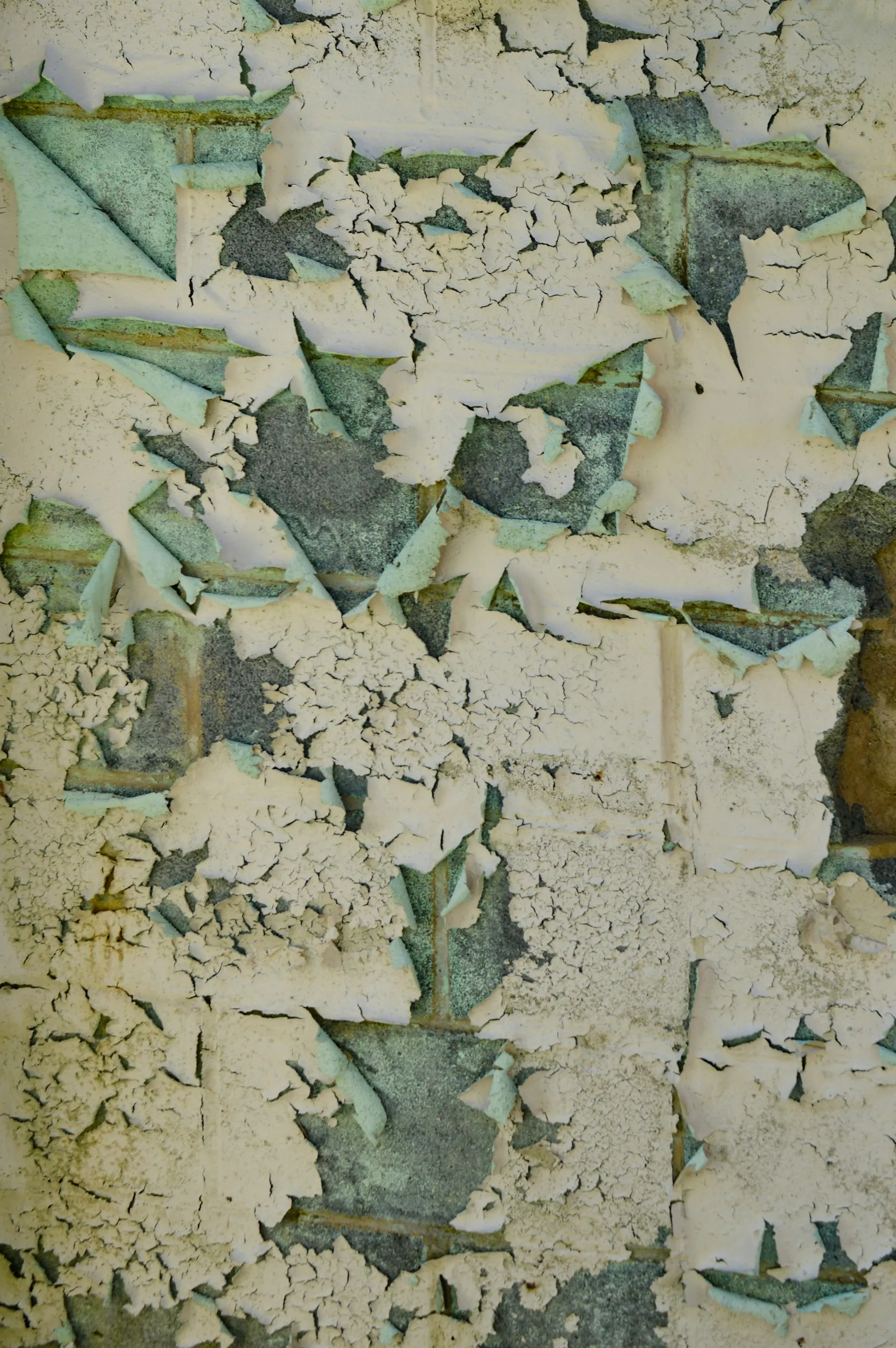
Failed paint. Flaking, blistered or chalky paint comes off. A coating bonded to failing paint fails with it.
Then the coating goes on.
Which Coating for Which Wall
Clear water repellents suit sound face brick and uncracked render. Silane and siloxane products soak into the surface rather than forming a film, so the wall sheds rain but can still dry out.
Elastomeric coatings suit rendered walls with hairline cracking. They are applied thick, stay flexible and stretch over small movement. Film thickness is the difference between a waterproof coating and a coat of paint.
Re-rendering is for walls where so much render has failed that patching would leave more patch than wall.
Whatever goes on has to let water vapour out. A wall sealed so tightly that the moisture inside cannot escape blisters and peels from behind.
Which Walls, and When
The north and west elevations take the winter fronts head on, so those are the walls to look at first, along with parapets and anything exposed above the roofline.
Coastal homes in Sea Point, Camps Bay, Blouberg and Table View also take salt on the wind, which breaks down paint and sealant faster. The summer south-easter blows sand at exposed walls and opens hairline cracks that winter rain then finds.
Walls have to be dry before they are coated, so the work belongs in the dry months. March and April are ideal. The walls have dried out over summer, and the coating is in place before the first front.