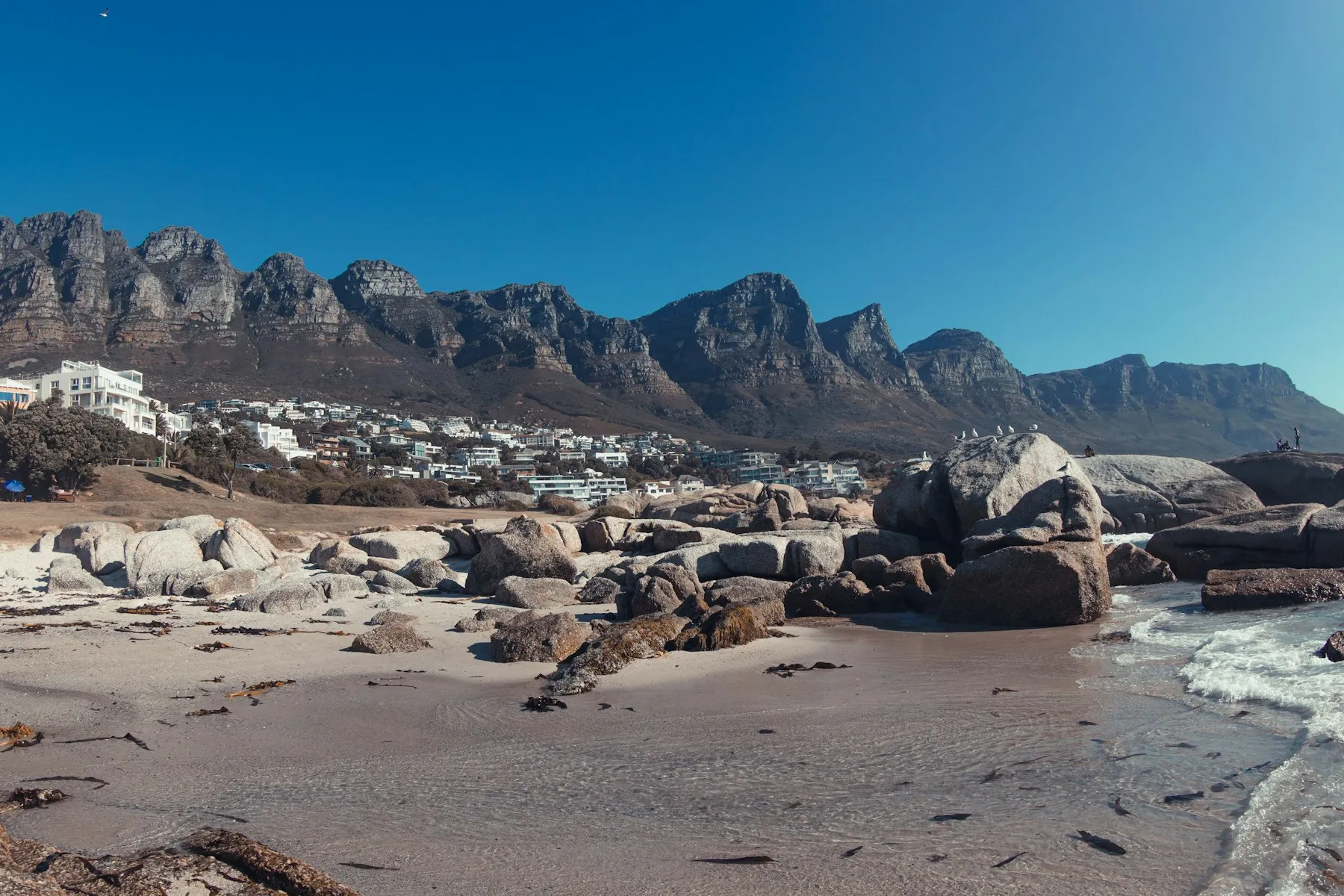
Homes cut into a steep Cape Town hillside

Basement Waterproofing Cape Town

Basement waterproofing in Cape Town has to deal with something a roof never does. The water is under pressure, pushing inward, and a coating on the inside face is being asked to hold it back. Free inspection, two-year written guarantee.

Water Under Pressure Behaves Differently

Above ground, waterproofing sheds water. Gravity is on your side, and the membrane job is to send water somewhere else.

Below ground, saturated soil around a structure creates hydrostatic pressure, pushing water at the wall continuously and from every direction. That pressure does not care about the membrane quality. It cares about which side of the wall the membrane is on.

Positive side. The membrane on the earth face, where the water arrives. The water is stopped before it enters the structure, and the pressure pushes the membrane against the wall. This is the right way to do it and requires excavation.

Negative side. The membrane on the inside face. The water enters the wall, saturates it, and is stopped at the last possible moment, with the pressure pushing the membrane away from the wall. It can be done, with the right products, but the wall stays wet and any weakness in the application will find it.

This is why the first question on any basement is whether the outside face can be reached. Where it can, that is the answer. Where it cannot, the specification has to be chosen for negative-side pressure specifically, not just a waterproof coating.

The Three Approaches

External tanking. Excavate, apply a waterproof barrier to the earth face, install a drainage layer and a subsoil drain at footing level, backfill. Most effective, most disruptive, and requires access for excavation.

Internal tanking with a cementitious system. A dense, waterproof render applied to the inside face, bonded to sound substrate. Suitable where pressure is moderate and the substrate is sound masonry or concrete. Requires excellent preparation and unbroken continuity, because water under pressure finds any gap.

Cavity drain membranes. Rather than trying to stop the water, this manages it. A studded membrane is fixed to the inside face, water that comes through the wall runs down behind it into a perimeter channel, and from there to a sump or a drain. The wall stays wet, which is accepted rather than fought, and the internal space stays dry. It is the most reliable approach where pressure is significant and excavation is impossible, and it is the one most homeowners have never heard of.

Which of the three suits your situation depends on access, pressure, substrate condition and what the space is used for.

What This Actually Means in Cape Town

Basements are uncommon in Cape Town housing, and the ones that exist tend to fall into a few groups.

Wine cellars and below-ground storage on the larger Constantia and Bishopscourt properties. These sit on the wetter eastern slopes, where orographic rainfall is considerably higher than in the City Bowl, and in soils that stay saturated for months through winter. They are also spaces where humidity control matters for the contents, which changes the specification.

Cut-in rooms on sloped sites. Very common in a city built on mountains. A garage, a store or a converted room with one or two walls buried into the slope. These behave like basements on the buried faces and like ordinary walls elsewhere.

Basement parking in newer apartment developments, particularly on the Atlantic Seaboard where sites are steep and space is tight.

Older structures with cellars in the City Bowl and the older southern suburbs, usually with no barrier at all on the buried face.

The seasonal pattern matters. Around 70% of the annual rain falls June to September, so the ground goes from dry to fully saturated and back every year. A basement that is dry for eight months is not a dry basement, it is an undiagnosed one.

How It Works

  1. 1

    Free site inspection

    Water entry points identified, pressure assessed, external access evaluated, substrate condition checked, existing drainage traced.

  2. 2

    Written quote before work starts

    Excavation, drainage and waterproofing itemised separately.

  3. 3

    Work carried out

    External where practical, and the appropriate internal system where it is not.

  4. 4

    Guarantee and follow-up

    Two-year written guarantee, plus a check after the first winter, which is the season that actually tests it.

What Basement Waterproofing Costs

  • Whether the external face can be reached.The single biggest determinant of both cost and approach.
  • Excavation depth and accessfor machinery.
  • Which system is specified.External tanking, cementitious internal tanking and cavity drain membrane are three different jobs at three different prices.
  • Whether a sump and pump are required,and whether there is power and a discharge point for them.
  • Substrate condition.Spalling concrete or unsound masonry needs repair first.
  • Reinstatementof ground surfaces, and internal finishes.
Get a written quote

Why Choose Us

  • We inspect before we quote

    Nobody prices a roof from a photograph or a phone call. We get on the roof or into the roof void, establish what is actually wrong, and quote from that.

  • Preparation is quoted separately

    Substrate repair, falls correction and strip-off appear as their own line items. That is the part that determines whether the work lasts, and the part most quotes hide.

  • We say when repair is the cheaper answer

    Plenty of roofs quoted for replacement need a day of repairs. We tell you which yours is, including when it means a smaller invoice for us.

  • Two-year written guarantee, in writing

    Minimum two years on our workmanship, with the scope set out on the quote before you sign. We check the work again after the first winter.

Basement Waterproofing FAQs

How much does basement waterproofing cost in Cape Town?

The determining factor is whether the outside face can be excavated. External tanking with drainage is the most effective and the most disruptive. Internal systems cost less to install but are working against pressure. We quote the realistic options after seeing it.

What is the difference between positive and negative side waterproofing?

Positive side means the barrier is on the earth face, where water arrives, and the pressure holds it against the wall. Negative side means it is on the inside, with pressure trying to push it off. Positive side is better wherever it is achievable.

My cellar is only wet in winter. Is that still worth fixing?

Yes. Cape Town rain is concentrated into four months, so the ground goes from dry to fully saturated every year. A cellar that is dry from October to May is not a dry cellar, it is one that has not been tested yet.

Can you waterproof a basement without digging outside?

Yes, with either a cementitious internal tanking system or a cavity drain membrane. The cavity drain approach manages the water rather than fighting it, and it is the more reliable option where pressure is significant.

What is a cavity drain membrane?

A studded sheet fixed to the inside face. Water coming through the wall runs down behind it into a perimeter channel and away to a drain or sump. The wall stays wet, the room stays dry. Most homeowners have never been offered it, and it is often the right answer.

Do I need a sump and pump?

Only where water has to be actively removed because there is no gravity discharge available. Where the site slopes, a gravity drain is usually possible and is far preferable, since it has nothing to fail or lose power.

My wine cellar has damp walls. Does that affect the wine?

Cellars need controlled humidity rather than zero humidity, so the specification differs from an ordinary basement. Active water ingress is a different matter to ambient humidity, and we distinguish the two before recommending anything.

I converted a garage that is built into the slope. Is that a basement?

On the buried walls, effectively yes. Those faces have soil against them and will behave the same way. It is one of the most common versions of this problem in Cape Town, given how much of the city is built on slopes.

When should the work be done?

Summer, particularly if excavation is involved. Digging alongside a structure in saturated winter soil is difficult and on a slope it can be unsafe.

Free inspection, written quote, no obligation

We come out, establish what is actually wrong, and put it in writing with preparation costed separately from the waterproofing.

  • We inspect before we quote, on the roof or in the roof void
  • Preparation and substrate work itemised separately
  • Two-year written guarantee
  • A check after the first winter
068 890 3548

Request a quote

Tell us what is happening and we will arrange the inspection.

No charge for the inspection, and no obligation.

Call for a free inspection