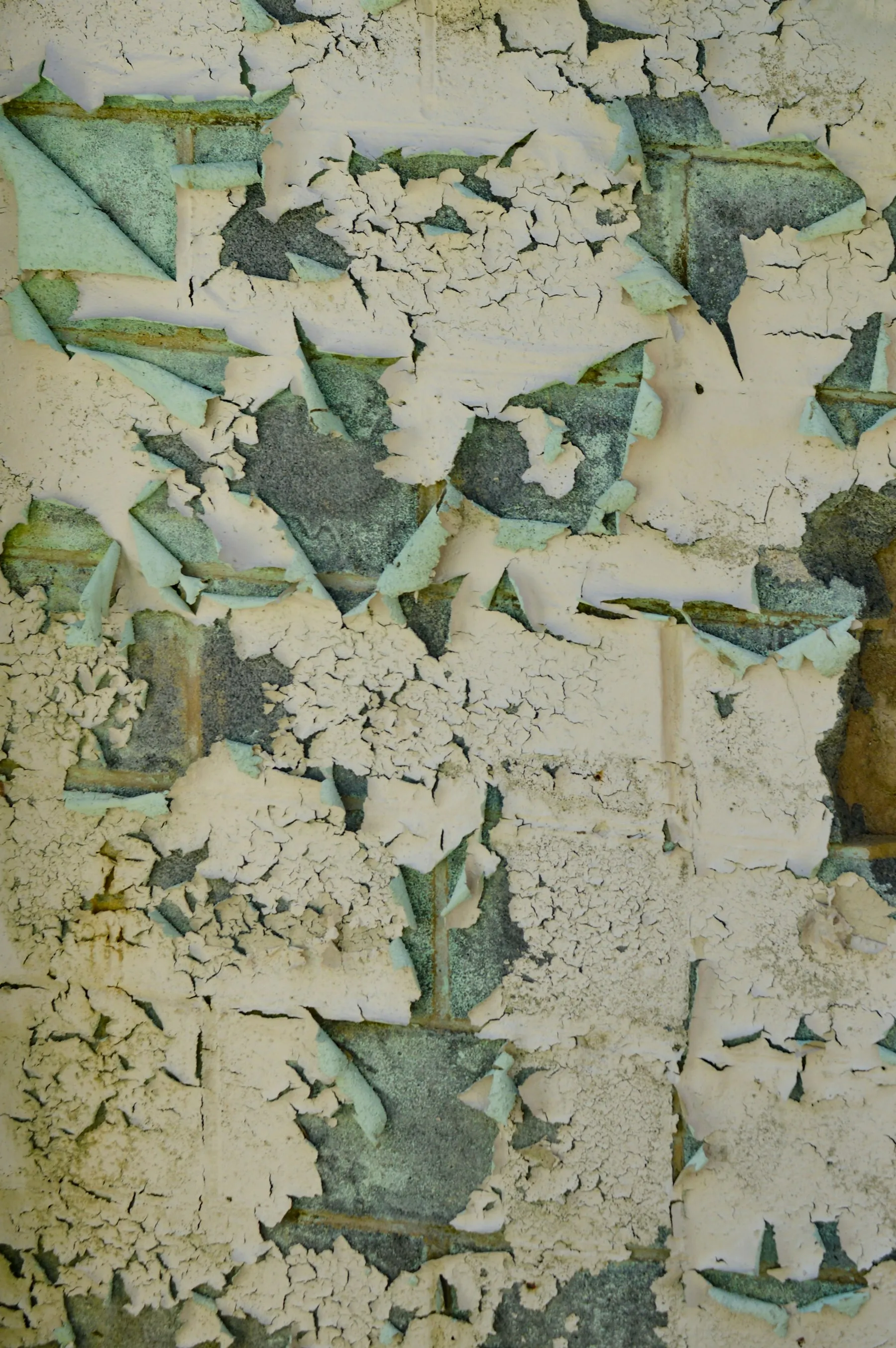
Water damage spreading through a wall surface

Shower Waterproofing Cape Town

Shower waterproofing in Cape Town is either done before the tiles go on, or it gets done twice. Tiles and grout were never the waterproof layer. Free inspection, two-year written guarantee.

Tiles Are Not Waterproof

This surprises people, and it is the root of nearly every shower leak we attend.

Ceramic tiles are impervious, but the grout between them is not, and neither is the substrate behind. Water passes through grout lines continuously in normal use. In a shower, that means the wall and floor behind the tiles get wet every single day.

What stops that water reaching the timber, the wall cavity or the flat below is a waterproof membrane applied to the substrate before the tiles go on. The tiles are the wearing surface and the finish. The membrane is the waterproofing.

So when a shower leaks, re-grouting and re-sealing addresses the visible joint and leaves the actual problem untouched. It buys a few months. Sometimes it buys less.

Done Before Tiling, or Done Twice

The unavoidable arithmetic of shower waterproofing is that doing it correctly costs a fraction of doing it late.

At first fix, before tiling, the membrane goes onto a prepared substrate, the falls are formed to the waste, the corners and junctions are reinforced, and the whole thing is tested. It is quick and it is comparatively cheap.

After the fact, on a leaking shower, the tiles come off, the substrate is usually water-damaged and has to be replaced, sometimes the timber below has gone, and everything is reinstated. It is a different order of job.

What proper installation involves:

Substrate. Sound, dry and appropriate. Standard plasterboard in a wet area is a problem waiting to happen. Cement backer board or a suitable tile backer is the right material.

Falls. The floor must fall to the waste from every direction. A shower floor that ponds pushes water at the perimeter continuously.

Bond breakers and reinforcement at every junction. Wall to floor, corner to corner, and around the waste. These are the points that move, and a membrane that is rigidly bonded across a moving junction splits along it.

Upstand height. The membrane carried high enough up the walls, and beyond the shower area where required.

The waste and any penetrations detailed into the membrane, not just up to them.

Flood test before tiling. The one step that gets skipped most often, and the only way to know before tiling that the membrane actually works.

Where Shower Leaks Show Up

In the room next door. A wet patch on the other side of the shower wall, often at skirting level, is a classic shower membrane failure.

In the ceiling below. On an upper floor or in a flat, this is where it goes, and in a sectional title block it becomes somebody else ceiling.

At the door frame or hob. Where the shower meets the rest of the bathroom, if the upstand or the threshold detail is short.

Nowhere visible, for years. Water quietly wetting timber inside a wall or floor, until the floor becomes soft or the smell appears. This is the expensive version.

Mould and black spot around the shower, which in Cape Town needs distinguishing from ordinary condensation. Most Cape Town bathrooms are poorly ventilated and mould around a shower is often just that, not a membrane failure. We check rather than assume, because the two have very different price tags.


How It Works

  1. 1

    Free site inspection

    For new work, substrate and falls assessed. For a leak, the source established before anything comes off.

  2. 2

    Written quote before work starts

    Substrate replacement itemised separately.

  3. 3

    Installation

    Substrate prepared or replaced, falls formed, reinforcement at all junctions, membrane applied to specified thickness, flood tested.

  4. 4

    Guarantee and follow-up

    Two-year written guarantee, plus a check after the first winter.

What Shower Waterproofing Costs

  • New installation versus remedial.Before tiling is straightforward. After a leak is a strip-out.
  • Whether the substrate has to be replaced,which on a failed shower it usually does.
  • Size of the showerand the extent of the membrane.
  • Whether tiles can be salvaged,which they generally cannot.
  • Timber or structural damagewhere a leak has been running for a long time.
  • Reinstatement and tile matching.Discontinued ranges are a real constraint.
Get a written quote

Why Choose Us

  • We inspect before we quote

    Nobody prices a roof from a photograph or a phone call. We get on the roof or into the roof void, establish what is actually wrong, and quote from that.

  • Preparation is quoted separately

    Substrate repair, falls correction and strip-off appear as their own line items. That is the part that determines whether the work lasts, and the part most quotes hide.

  • We say when repair is the cheaper answer

    Plenty of roofs quoted for replacement need a day of repairs. We tell you which yours is, including when it means a smaller invoice for us.

  • Two-year written guarantee, in writing

    Minimum two years on our workmanship, with the scope set out on the quote before you sign. We check the work again after the first winter.

Shower Waterproofing FAQs

How much does shower waterproofing cost in Cape Town?

Doing it before tiling is a modest job. Doing it after a leak means removing tiles, replacing water-damaged substrate and reinstating, which costs several times more. We quote the strip-out and the reinstatement separately.

Are tiles and grout not waterproof?

No. Grout lets water through in normal use, every day. The waterproof layer is a membrane applied to the substrate before tiling. Tiles are the wearing surface.

Will re-grouting and re-sealing stop my shower leaking?

Only if the leak is genuinely at a surface joint. If the membrane behind the tiles has failed or was never there, re-grouting buys a few months at most.

My shower leaks into the room next door. Why there?

Because the membrane on the wall has failed or stops too low, so water passing through the grout gets into the wall build-up and comes out the other side, usually at skirting level.

Do you have to remove all the tiles?

On a failed shower, usually yes in the affected area. The membrane sits under them, so there is no way to install or repair it without lifting the surface. We are honest about that before starting.

What substrate should a shower have?

A cement backer board or purpose-made tile backer. Standard plasterboard in a shower area is a common cause of the failures we attend, because once it gets wet it loses integrity.

Is the black mould in my shower a waterproofing failure?

Frequently not. Most Cape Town bathrooms are poorly ventilated, and surface mould around a shower is usually condensation rather than a membrane problem. We check before recommending anything expensive.

How long does it take, and can I use the bathroom?

New waterproofing before tiling is quick, but the membrane needs its curing time before tiling can start. A remedial job means the shower is out of use for several days. You get the programme in writing.

Should the shower be flood tested?

Yes, before tiling. It is the only way to confirm the membrane works while it is still cheap to correct. It is also the step most commonly skipped.

Free inspection, written quote, no obligation

We come out, establish what is actually wrong, and put it in writing with preparation costed separately from the waterproofing.

  • We inspect before we quote, on the roof or in the roof void
  • Preparation and substrate work itemised separately
  • Two-year written guarantee
  • A check after the first winter
068 890 3548

Request a quote

Tell us what is happening and we will arrange the inspection.

No charge for the inspection, and no obligation.

Call for a free inspection