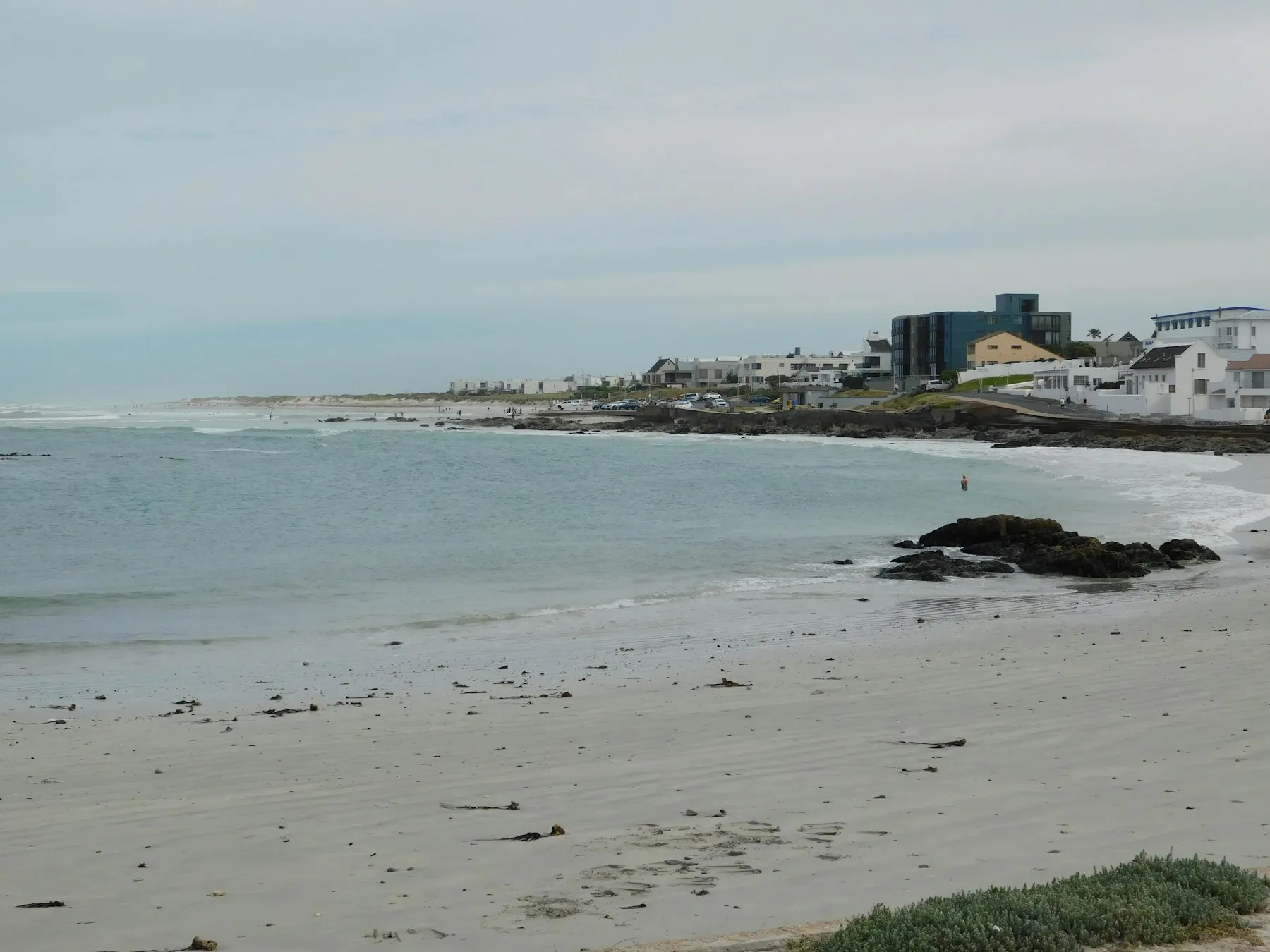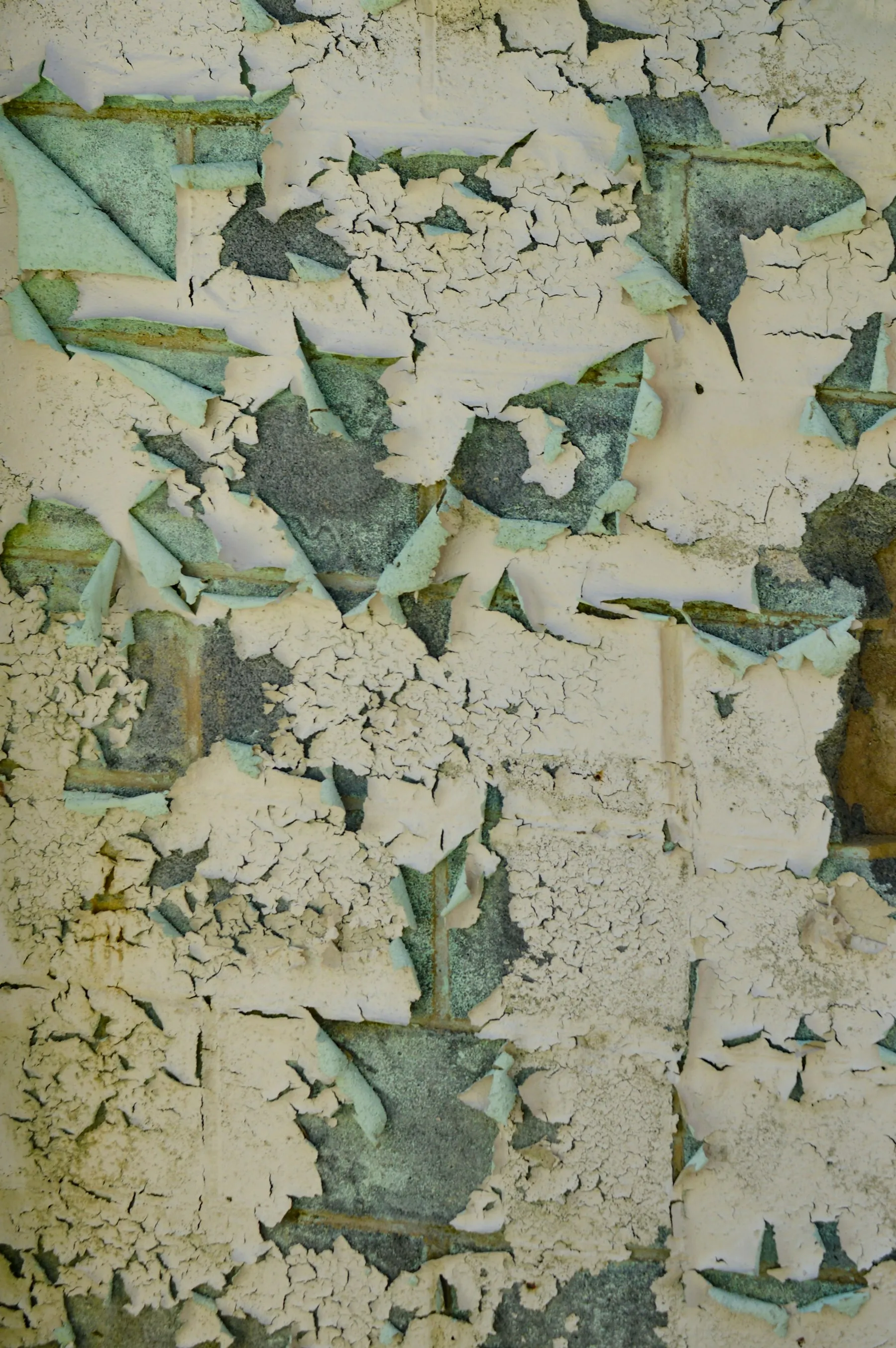
Paint and plaster blown and peeling off a damp wall

Damp Proofing Cape Town

Damp proofing in Cape Town goes wrong at the diagnosis, not the treatment. Most walls treated for rising damp never had it. Getting the cause right is most of the job. Free inspection, two-year written guarantee.

  • 18 years in trade
  • Two-year written guarantee
  • Free inspection

There Are Three Kinds of Damp

They look similar on a wall and they have almost nothing in common underneath.

Rising damp comes up from the ground through the wall by capillary action, where there is no damp proof course or the existing one has been bridged or has failed. It is genuinely uncommon compared to how often it is diagnosed.

Penetrating damp comes in horizontally through the wall from outside. A failed gutter, a cracked render, a defective flashing, a leaking pipe, a wall that faces the winter rain. Water gets in somewhere specific and shows up inside.

Condensation is not water coming in at all. It is water already in the air inside the house, condensing on cold surfaces. In Cape Town it is by far the most common of the three and the most frequently misdiagnosed.

The treatments are completely different, and expensive, and none of them work on the wrong problem. This is why we diagnose before quoting rather than arriving with a solution already chosen.

Most Damp Treated as Rising Damp Is Not

The commercial pressure in this trade runs one way. Chemical damp proof course injection is a well-defined, sellable product with a clear price, and it can be quoted from a doorstep in ten minutes.

Condensation, by contrast, is a diagnosis that leads to ventilation advice, heating advice and maybe some insulation. Much harder to sell and much less profitable.

So the wall gets injected, the plaster gets replaced, and the damp comes back, because the wall was never wicking water up from the ground.

How to tell them apart:

Height. Rising damp is limited by how far water can wick against gravity, which in practice is roughly a metre. Damp above that height, on an upper floor, or in the middle of a wall, is not rising damp.

A tide mark. Genuine rising damp usually leaves a horizontal line where the water stops, often with salt staining along it.

Pattern. Condensation appears on the coldest surfaces first: external corners, behind furniture, on window reveals, in unheated rooms. It is worse in winter and worse in bedrooms and bathrooms.

Season and behaviour. Penetrating damp appears during and after rain and is often worse on the weather-facing wall. Condensation is worse on cold mornings and when the house has been shut up.

Mould. Black spot mould is a condensation signature. Rising damp produces salt deposits and staining rather than black mould.

What We Find Outside

A large share of damp diagnosed indoors is caused by something obvious outside, and it is usually cheaper to fix than any damp treatment.

Blocked or broken gutters discharging down a wall. The single most common cause of penetrating damp we see, and a gutter repair rather than a damp job.

Ground levels raised above the damp proof course. A new paved patio, a raised flower bed or a screed laid against the wall bridges the DPC and lets water in above it.

Cracked or blown render, which lets water in and then holds it against the brickwork.

Failed pointing in older masonry.

Leaking downpipes and gullies, saturating the base of a wall continuously.

We look outside before recommending anything invasive inside.

Why Cape Town Gets This Wrong

Two local conditions drive the misdiagnosis.

No central heating. Almost no Cape Town homes have it. Through a wet winter, a house is heated intermittently by portable heaters, windows stay shut against the rain, and moisture from cooking, washing and drying clothes indoors has nowhere to go. It condenses on cold external walls. This is a heating and ventilation problem presenting as a damp problem.

Old solid-wall stock with no DPC. Much of the older housing in the City Bowl, Woodstock, Observatory and the older southern suburbs predates damp proof courses entirely. In those buildings genuine rising damp does exist, and it is compounded by sea sand having been used in the original plaster, which brings hygroscopic salts that pull moisture from the air permanently.

So Cape Town has both the most over-diagnosed cause and a real reservoir of the genuine article. Telling them apart is the job.

How It Works

  1. 1

    Free site inspection

    Moisture readings taken at multiple heights, pattern and season established, external walls, gutters and ground levels checked.

  2. 2

    Written diagnosis and quote

    You are told which of the three it is and why, before any treatment is proposed.

  3. 3

    Treatment carried out

    For the actual cause, not the one that is easiest to sell.

  4. 4

    Guarantee and follow-up

    Two-year written guarantee, plus a check after the first winter.

What Damp Proofing Costs

  • Which of the three it actually is.Ventilation and gutter fixes are modest. DPC injection with re-plastering is not.
  • Wall construction.Solid wall, cavity wall, stone.
  • Length of wall affected.Measured, not estimated.
  • Whether plaster has to come off,which is most of the cost and mess in a chemical DPC job.
  • External work needed,gutters, render, ground levels.
  • Salt contaminationin existing plaster, which requires a salt-retardant re-plaster.

We quote diagnosis, external work and internal treatment separately.

Get a written quote

Why Choose Us

  • We inspect before we quote

    Nobody prices a roof from a photograph or a phone call. We get on the roof or into the roof void, establish what is actually wrong, and quote from that.

  • Preparation is quoted separately

    Substrate repair, falls correction and strip-off appear as their own line items. That is the part that determines whether the work lasts, and the part most quotes hide.

  • We say when repair is the cheaper answer

    Plenty of roofs quoted for replacement need a day of repairs. We tell you which yours is, including when it means a smaller invoice for us.

  • Two-year written guarantee, in writing

    Minimum two years on our workmanship, with the scope set out on the quote before you sign. We check the work again after the first winter.

Damp Proofing FAQs

How much does damp proofing cost in Cape Town?

It depends which of the three types you have. Fixing a gutter or improving ventilation is inexpensive. A chemical DPC with hacking off and re-plastering is a much larger job. We diagnose first and quote the actual cause.

How do I know if I have rising damp?

Height is the giveaway. Rising damp cannot get much above a metre, and it usually leaves a horizontal tide mark with salt staining. Damp higher than that, upstairs, or in the middle of a wall is something else.

Is my damp actually condensation?

Quite possibly. Condensation shows on the coldest surfaces first, external corners, window reveals, behind furniture, and it produces black spot mould. It is worse in winter and in shut-up rooms. Most Cape Town homes have no central heating, which makes it common.

Will a chemical DPC fix my damp?

Only if you have rising damp. Injected into a wall that has penetrating damp or condensation, it does nothing at all, and you will have paid for the injection and the re-plastering.

Why did my damp come back after treatment?

Usually because the treatment addressed the wrong cause, or because the external source was never fixed. A wall treated internally while a broken gutter still discharges onto it outside will always come back.

Can damp be fixed from outside instead of inside?

Frequently, and it is cheaper when it can. Gutters, downpipes, render, pointing and ground levels above the DPC cause a large share of the damp we are called to. We check outside before proposing anything invasive.

Do I have to move out?

For gutter work and ventilation improvements, no. For a chemical DPC with hacking off and re-plastering, the affected rooms are unusable for a period and it is dusty. We tell you the realistic disruption before you commit.

My house has no damp proof course at all. What are my options?

Common in older Cape Town stock. A retrofitted chemical DPC is the usual approach, sometimes with a salt-retardant re-plaster because old plaster made with sea sand holds hygroscopic salts.

Is black mould on my walls dangerous?

It is a health concern and worth dealing with. It is also diagnostic, because black spot mould points to condensation rather than rising damp, so it tells us where to look.

Free inspection, written quote, no obligation

We come out, establish what is actually wrong, and put it in writing with preparation costed separately from the waterproofing.

  • We inspect before we quote, on the roof or in the roof void
  • Preparation and substrate work itemised separately
  • Two-year written guarantee
  • A check after the first winter
068 890 3548

Request a quote

Tell us what is happening and we will arrange the inspection.

No charge for the inspection, and no obligation.

Call for a free inspection