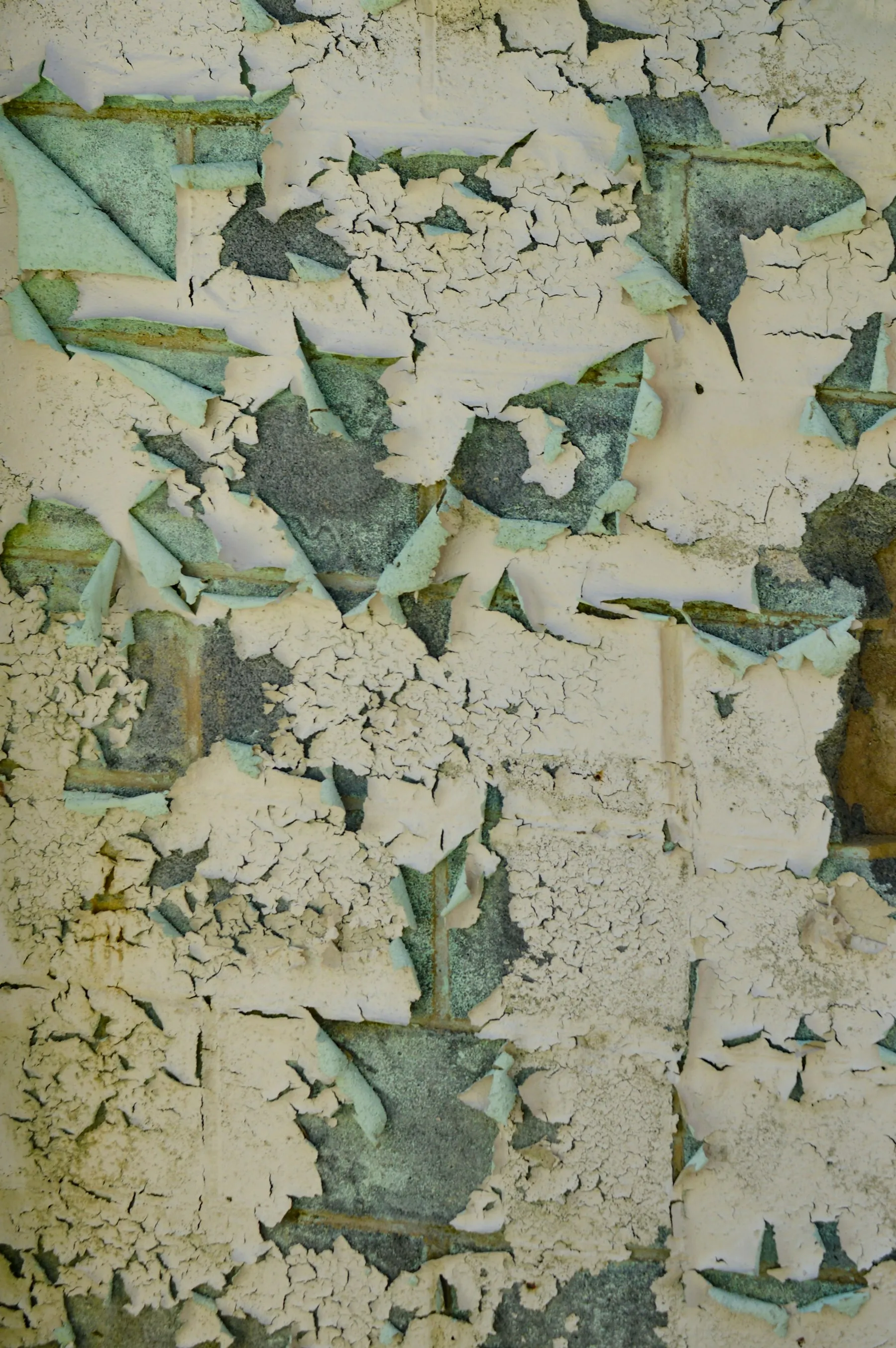
Damp damage to an internal wall surface

Penetrating Damp Treatment Cape Town

Penetrating damp treatment in Cape Town starts outside, on the wall the north-wester hits. But before we treat anything, we check whether the water came in at all, because most winter damp here is condensation. Two-year written guarantee.

Cape Town Has No Central Heating, and That Changes Everything

Walk into a Cape Town house in July with black mould in the corners of a bedroom, damp patches behind the wardrobe and streaming windows, and the instinct is that water is getting in.

Usually it is not. The water was already inside.

A family of four puts a substantial amount of moisture into the air every day, through breathing, cooking, showering, washing and drying laundry indoors. In a climate with central heating, that air stays warm enough to hold the moisture and ventilation carries it out. In a Cape Town winter, the house is heated for a few hours with a portable heater, windows stay shut against the rain and wind, and the air cools overnight against uninsulated external walls.

Warm moist air meeting a cold wall gives up its moisture onto that wall. That is condensation, and it is the most common form of damp in this city by a wide margin.

It is identifiable. Black spot mould, worst in external corners, on window reveals, behind furniture against external walls, and in the least-heated rooms. Worse on cold mornings. Worse when the house has been shut up. It does not correlate with rainfall the way real penetrating damp does.

It is also the cheapest to fix, which is exactly why it is rarely the diagnosis offered.

When It Is Genuinely Penetrating Damp

Penetrating damp is water crossing the wall horizontally from outside, and it always has a specific source.

The weather-facing wall. Cape Town winter rain comes on north-westerly fronts at 50 to 65kph, so the north and west elevations take a beating that the sheltered sides never see. Penetrating damp that appears on one elevation only, during and after fronts, is a strong signal.

Cracked or blown render. Render that has lost its bond lets water in through the crack and then holds it against the masonry behind, unable to evaporate.

Failed pointing in older masonry, particularly on exposed elevations.

Defective gutters and downpipes. Water discharging down a wall for a whole winter saturates it thoroughly. The most common single cause we find, and a gutter repair rather than a damp treatment.

Sills, copings and thresholds without a proper drip detail, letting water run back onto the wall face.

Retaining walls and below-ground structure, where the damp comes laterally from saturated soil rather than from rain.

Salt damp. Where the wall has been wet long enough to concentrate salts in the plaster, those salts hold moisture from the air by themselves, and treating the ingress alone will not dry the surface.

Which Wall, and Which Season

The elevation and the timing usually settle the diagnosis between them.

North and west elevations, damp during and after rain: penetrating. Those faces take the winter fronts head on.

South-facing rooms, damp on cold mornings, black mould in corners: condensation. South elevations get least sun, stay coldest, and are where condensation shows first.

Damp that is worse in August than in February: could be either, since Cape Town rain and its cold arrive together. This is where moisture readings and pattern matter more than the calendar.

Damp in a room with a bathroom or kitchen next to it, or where laundry is dried: condensation, until proven otherwise.

How It Works

  1. 1

    Free inspection and diagnosis

    Moisture readings, pattern and elevation assessed, correlation with rainfall established, external fabric checked.

  2. 2

    Written quote

    External repairs, internal treatment and any ventilation work costed separately.

  3. 3

    Stop the water first

    Gutters, render, pointing, flashings, sills. Almost always the external repair is cheaper and more effective than internal treatment.

  4. 4

    Treat the wall, then guarantee it

    Water-repellent treatments, tanking where water is under pressure, salt-retardant re-plaster where salts have contaminated the surface, and ventilation measures where condensation is the actual cause. Two-year written guarantee.

What Penetrating Damp Treatment Costs

  • The cause.A downpipe repair and some ventilation work is modest. Re-rendering an elevation is not.
  • Extent of external repairneeded, render, pointing, gutters, flashings.
  • Whether internal plaster is salt-contaminatedand has to come off.
  • Wall construction and access,particularly on upper storeys.
  • Whether tanking is required,where water comes from saturated ground rather than rain.
Get a written quote

Why Choose Us

  • We inspect before we quote

    Nobody prices a roof from a photograph or a phone call. We get on the roof or into the roof void, establish what is actually wrong, and quote from that.

  • Preparation is quoted separately

    Substrate repair, falls correction and strip-off appear as their own line items. That is the part that determines whether the work lasts, and the part most quotes hide.

  • We say when repair is the cheaper answer

    Plenty of roofs quoted for replacement need a day of repairs. We tell you which yours is, including when it means a smaller invoice for us.

  • Two-year written guarantee, in writing

    Minimum two years on our workmanship, with the scope set out on the quote before you sign. We check the work again after the first winter.

Penetrating Damp FAQs

How much does penetrating damp treatment cost in Cape Town?

It follows the cause. Repairing a downpipe that has been soaking a wall is inexpensive. Re-rendering a weather-facing elevation is a significant job. We diagnose and quote external and internal work separately.

How do I know if it is penetrating damp or condensation?

Penetrating damp tracks rainfall and usually shows on the north or west elevation that takes the winter fronts. Condensation shows on the coldest surfaces, in corners and on window reveals, produces black spot mould, and is worst on cold mornings in shut-up rooms.

Why do I get black mould in the corners of my bedroom?

That is a condensation signature. Corners are the coldest part of an external wall, so moist indoor air gives up its water there first. Most Cape Town homes have no central heating, which makes this common through winter.

Can I fix condensation myself?

Often substantially. Ventilate while cooking and showering, avoid drying laundry indoors, leave a gap behind furniture on external walls, and heat more consistently rather than in short bursts. We would rather tell you that than sell you a treatment you do not need.

Only one wall of my house is damp. Why?

Almost certainly the elevation facing the winter weather. Cape Town rain arrives on north-westerly fronts at gale speeds, so the north and west faces take water that the sheltered elevations never see.

Will a waterproof paint on the inside fix it?

No. It traps moisture inside the wall and typically pushes the problem to the edges of the painted area. The water has to be stopped where it enters, which is outside.

What is salt damp?

Where a wall has been wet long enough for dissolved salts to concentrate in the plaster. Those salts pull moisture from the air on their own, so the surface stays damp even after the ingress is stopped. It needs a salt-retardant re-plaster.

My damp is on an internal wall against soil, in a basement room. Is that the same thing?

That is lateral damp under pressure from saturated ground, which needs tanking rather than a surface treatment. Different problem, different solution.

Should I treat the wall or fix the gutter?

Fix the gutter. External causes are cheaper to remedy and treating the inside while water still arrives from outside guarantees the damp returns.

Free inspection, written quote, no obligation

We come out, establish what is actually wrong, and put it in writing with preparation costed separately from the waterproofing.

  • We inspect before we quote, on the roof or in the roof void
  • Preparation and substrate work itemised separately
  • Two-year written guarantee
  • A check after the first winter
068 890 3548

Request a quote

Tell us what is happening and we will arrange the inspection.

No charge for the inspection, and no obligation.

Call for a free inspection