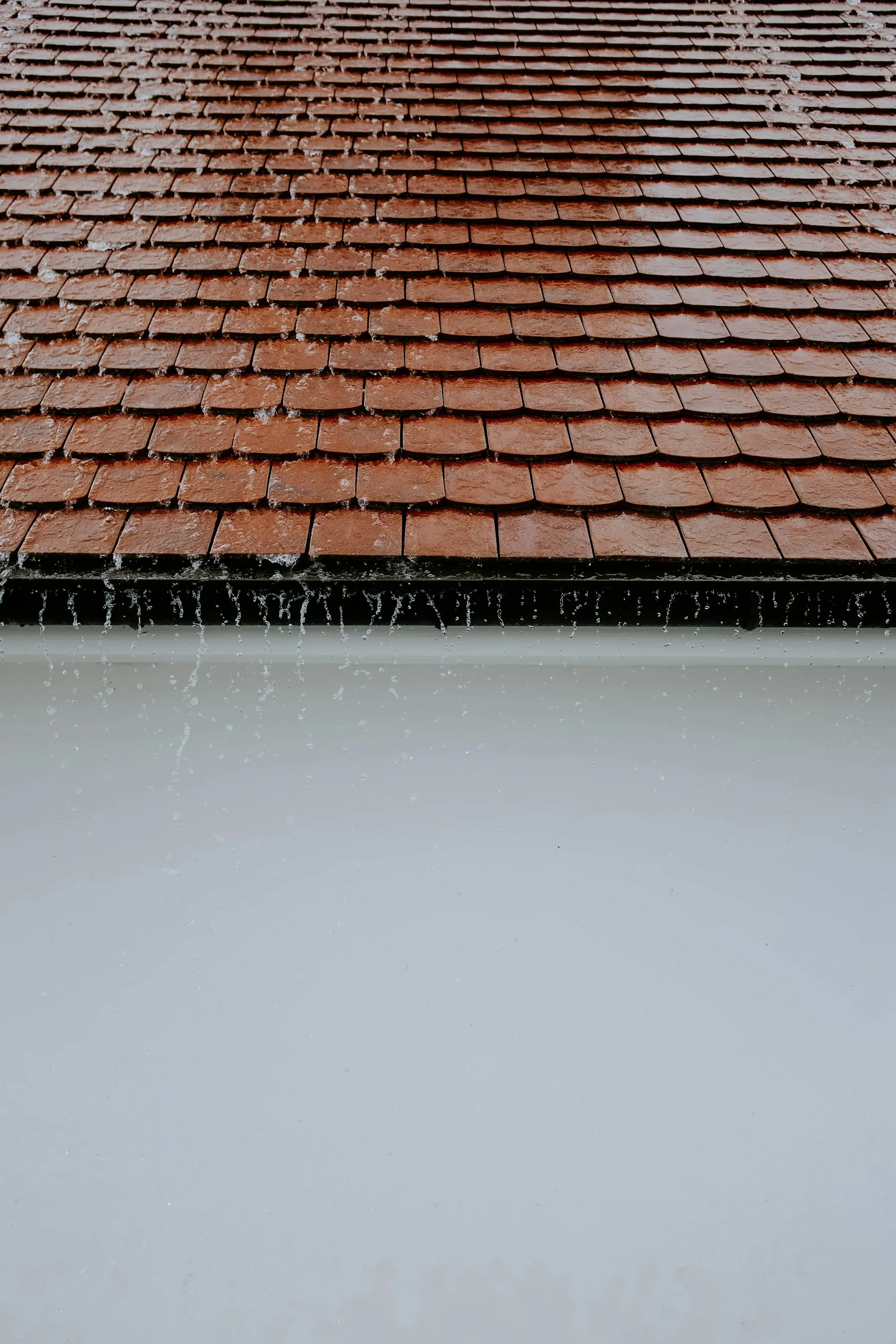
Heavy rain falling on a roof

Emergency Roof Repairs Cape Town

Emergency roof repairs in Cape Town are about stopping the damage tonight, not finishing the job. Anyone promising a permanent fix in the middle of a north-wester is selling you something that will not hold.

What Can Actually Be Done in a Storm

Being honest about this matters more than sounding capable.

In driving rain, on a wet roof, at wind speeds that make a ladder dangerous, the realistic goal is containment. Get the water stopped or diverted, protect the inside of the building, make the roof safe, and come back for the permanent repair when conditions allow.

What works in the wet: temporary sheeting and tarpaulins over a failed area, securing loose or lifted sheets and tiles, clearing a blocked outlet or valley that is causing overflow, diverting water inside the roof void away from ceilings and electrics, and making safe anything at risk of coming off the roof.

What does not work in the wet: torch-on, liquid membranes, most sealants, bedding and pointing, and concrete repair. All need a dry, prepared substrate. Applied wet, they fail, and then the permanent repair costs more because the failed material has to come off first.

Anyone who tells you they will permanently waterproof your roof during a cold front is either going to do it badly or is not going to do it at all.

What to Do Before We Arrive

Deal with the electrics first. Water in a ceiling void and lighting circuits are a genuine hazard. If water is running near light fittings or a distribution board, switch that circuit off at the board.

Get things out of the way. Furniture, electronics, rugs, anything that will be damaged. Move it rather than covering it.

Catch and contain. Buckets under active drips, towels around them to stop splash spread.

If a ceiling is bulging, do not stand under it. A plasterboard ceiling holding water can come down as a single sheet with a lot of weight in it. Clear the room. If you are confident and safe doing so, a small hole at the lowest point of the bulge releases the water into a bucket in a controlled way and often saves the ceiling. If you are not confident, leave it and clear the room.

Photograph everything before you move or clean anything, for your insurer.

Do not go onto the roof. A wet Cape Town roof in a 60kph north-wester is genuinely dangerous. Whatever is up there can wait for us.

When Emergencies Happen in Cape Town

The pattern is predictable. Around 70% of Cape Town rain falls between June and September, and it arrives as discrete cold fronts rather than steady rain. The first serious front of the season, often in May or early June, produces the most emergency calls of the year.

The reason is that the roof has been dry for months. Whatever the summer south-easter loosened, a lifted sheet edge, a cracked ridge, a peeled lap, has not been tested since. The first front tests all of it at once, at 50 to 65kph.

The practical conclusion: the cheapest emergency is the one prevented in March. If your roof gave you trouble last winter, it will give you more this winter, and dealing with it in autumn costs a fraction of dealing with it at 9pm in June.

How It Works

  1. 1

    Call

    We establish what is happening and how urgent it is over the phone.

  2. 2

    Attend and contain

    Water stopped or diverted, building protected, roof made safe.

  3. 3

    Assess properly once conditions allow

    Emergency containment is not an inspection.

  4. 4

    Permanent repair quoted in writing

    And carried out when the roof is dry enough to do it properly. Two-year written guarantee on the permanent work.

What Emergency Roof Repairs Cost

  • Attendance,which is priced differently to scheduled work for the obvious reasons.
  • Time of day.After-hours and weekend attendance differs from a weekday call.
  • Materials for containment,sheeting, fixings, temporary flashing.
  • Access and safety requirementsin wind and wet.
  • The permanent repair,quoted separately once the roof has been properly assessed dry.

We separate the emergency call from the permanent repair on the invoice so you can see exactly what each cost.

Get a written quote

Why Choose Us

  • We inspect before we quote

    Nobody prices a roof from a photograph or a phone call. We get on the roof or into the roof void, establish what is actually wrong, and quote from that.

  • Preparation is quoted separately

    Substrate repair, falls correction and strip-off appear as their own line items. That is the part that determines whether the work lasts, and the part most quotes hide.

  • We say when repair is the cheaper answer

    Plenty of roofs quoted for replacement need a day of repairs. We tell you which yours is, including when it means a smaller invoice for us.

  • Two-year written guarantee, in writing

    Minimum two years on our workmanship, with the scope set out on the quote before you sign. We check the work again after the first winter.

Emergency Roof Repair FAQs

How much does an emergency roof repair cost in Cape Town?

The emergency attendance and the permanent repair are quoted and invoiced separately. Attendance depends on time of day, access and what is needed to contain the water. You are told the call-out basis before we come.

Can you permanently fix my roof during the storm?

No, and neither can anyone else. Torch-on, liquid systems, sealants and pointing all need a dry substrate. In the wet we contain the water and make the roof safe, then return to do the repair properly.

What should I do while waiting for you?

Switch off any electrical circuit where water is near fittings, move what can be damaged, put buckets under drips, photograph everything for insurance, and stay off the roof.

My ceiling is bulging with water. What do I do?

Clear the room and do not stand under it. A loaded plasterboard ceiling can come down in one piece. If you can safely reach the lowest point of the bulge, a small hole drains it into a bucket in a controlled way and often saves the ceiling.

Should I go up and put a tarpaulin on myself?

No. A wet roof in a Cape Town cold front, at 50 to 65kph with higher gusts, is genuinely dangerous. Falls from roofs in those conditions are how people are seriously hurt.

Will my insurance cover it?

That is between you and your insurer, and we are not the right people to advise on it. Photograph everything before you move or clean anything, and keep the invoices. We provide a written report of what we found.

Do you come out at night and on weekends?

Yes. Rates differ for after-hours attendance and you are told the basis when you call, before we come out.

My roof leaked once in a storm and then stopped. Do I still need someone?

Yes. A fault that only shows in wind-driven rain is still a fault, and it will be worse in the next front. Getting it looked at in autumn is far cheaper than an emergency call in July.

Why did this happen when my roof was fine all summer?

Because summer does not test a roof. The dry south-easter loosens ridge bedding, sheet fixings and membrane edges without causing any leak. The first winter front then tests everything it loosened, all at once.

Free inspection, written quote, no obligation

We come out, establish what is actually wrong, and put it in writing with preparation costed separately from the waterproofing.

  • We inspect before we quote, on the roof or in the roof void
  • Preparation and substrate work itemised separately
  • Two-year written guarantee
  • A check after the first winter
068 890 3548

Request a quote

Tell us what is happening and we will arrange the inspection.

No charge for the inspection, and no obligation.

Call for a free inspection