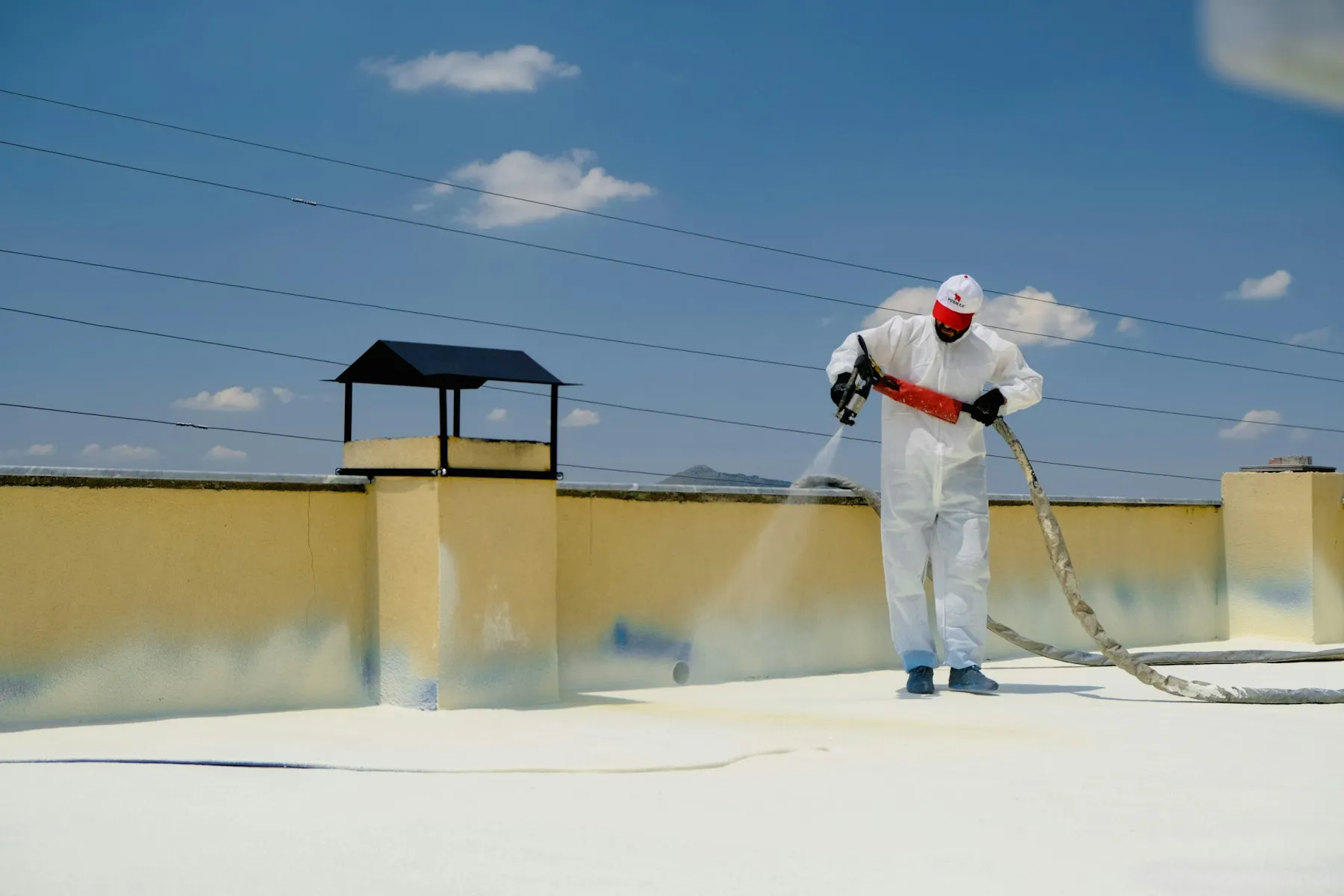
A concrete roof deck with parapets being waterproofed

Concrete Roof Waterproofing Cape Town

Concrete roof waterproofing in Cape Town fails from underneath more often than from above. Rusting reinforcement inside the slab lifts the concrete and takes the membrane with it. Free inspection, two-year written guarantee.

The Membrane Is Rarely the Problem

A concrete roof that keeps leaking after two or three waterproofing jobs usually does not have a waterproofing problem. It has a concrete problem.

Reinforced concrete relies on the alkalinity of the cement to protect the steel inside it. When that protection breaks down, the steel rusts. Rusting steel expands to several times its original volume, and that expansion cracks the concrete from the inside and pushes it off in flakes. This is spalling, and once it starts, anything bonded to the surface goes with it.

You can lay a perfect membrane on a spalling slab. It will lift within a few years, because what it is stuck to is coming away.

What Breaks Down the Protection

Carbonation. Carbon dioxide from the air reacts with the concrete over decades, lowering its alkalinity from the surface inward. When the carbonated zone reaches the steel, the protection is gone. This is a slow, universal process and it is why the problem shows up in older buildings.

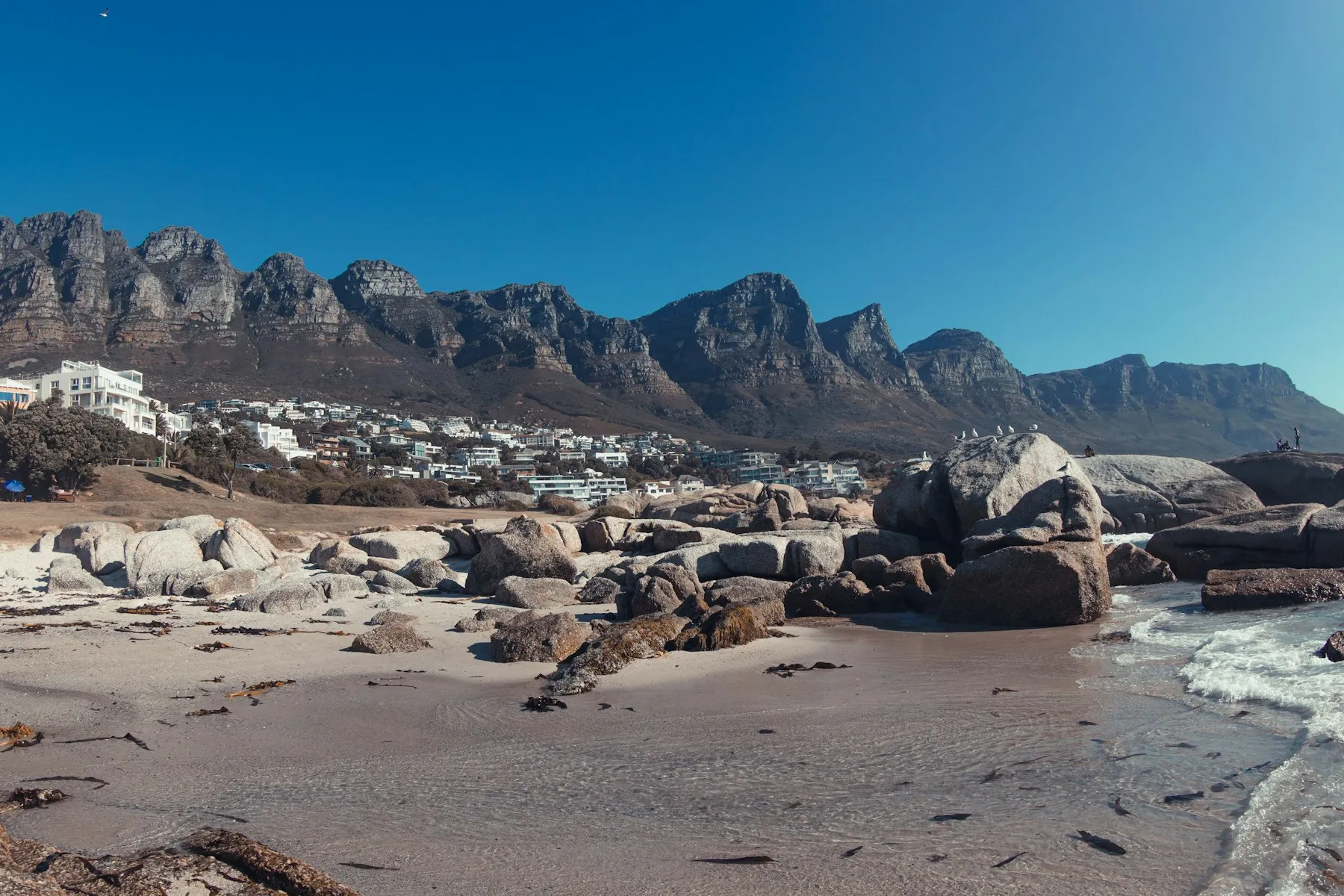
Chloride attack. Far faster, and this is the coastal one. Chloride ions from salt-laden air penetrate the concrete and break down the protective layer directly, even where alkalinity is intact. Buildings within a few hundred metres of the Atlantic get this badly, which is why the flat concrete roofs and parapets of Sea Point apartment blocks are a textbook case.

Insufficient cover. If the steel was laid too close to the surface when the slab was poured, both processes reach it sooner. A lot of mid-century construction has thin cover.

Water. Everything above accelerates when the concrete stays wet, which is why a slab that ponds deteriorates faster than one that drains.

What Proper Repair Looks Like

Survey first. Delamination sounds hollow when tapped. Cover meter readings show where steel sits. Visible rust staining and cracking maps the affected areas.

Break out to sound concrete. All loose and delaminated material comes off, and the break-out goes back behind the steel, not just up to it. Leaving contaminated concrete against the bar means the rust continues under the repair.

Treat the steel. Cleaned back to bright metal and primed. Badly section-loss bar gets supplemented.

Reinstate with a repair mortar compatible with the parent concrete, then allow it to cure properly.

Then waterproof. And only then.

Parapets and copings deserve their own mention. They are exposed on both faces and on top, they take the full force of a north-westerly front, and they are usually the first thing to spall on a Cape Town coastal building.

Cape Town, Salt and Concrete

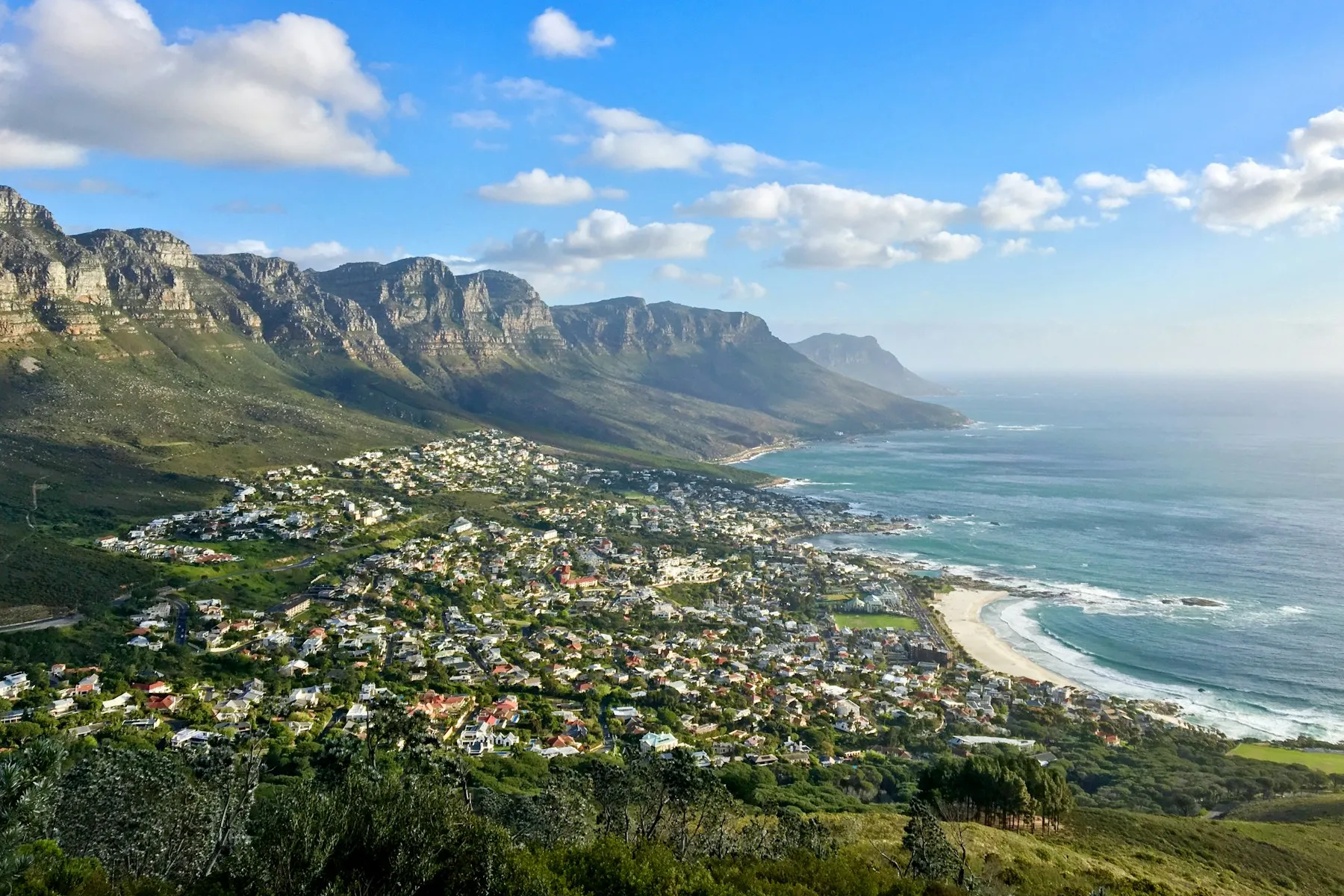
The Atlantic Seaboard and the False Bay coast put buildings in a chloride environment permanently. Salt is carried inland on the wind, deposited on surfaces, and driven into concrete by rain. A building three streets back from the sea is still in it.

Winter makes it worse in a specific way. North-westerly fronts drive salt water directly onto the north and west faces of a building at 50 to 65kph, so exposure is not even across a structure. The seaward parapet spalls while the sheltered one looks fine.

This is why we survey the whole roof rather than pricing the area you can see damage on. The damage you can see is usually the leading edge of a larger area that has not flaked off yet.

How It Works

  1. 1

    Free site inspection

    Slab surveyed for delamination, spalling mapped, falls and outlets checked.

  2. 2

    Written quote before work starts

    Concrete repair quoted separately from waterproofing, so you see the two costs clearly.

  3. 3

    Repair, then waterproof

    Slab reinstated and cured, then the specified system applied.

  4. 4

    Guarantee and follow-up

    Two-year written guarantee, plus a check after the first winter.

What Concrete Roof Waterproofing Costs

  • Extent of concrete repair.Established by survey, not by eye, and quoted separately from waterproofing.
  • Whether parapets and copings are involved,which usually means access on both faces.
  • Falls.If the slab ponds, correcting it is part of the job.
  • Waterproofing system specified.Torch-on, liquid or a covered build-up.
  • Access.Height, scaffolding or rope access on multi-storey buildings.

A quote that prices only the waterproofing on a spalling slab is not a quote for a lasting repair.

Get a written quote

Why Choose Us

  • We inspect before we quote

    Nobody prices a roof from a photograph or a phone call. We get on the roof or into the roof void, establish what is actually wrong, and quote from that.

  • Preparation is quoted separately

    Substrate repair, falls correction and strip-off appear as their own line items. That is the part that determines whether the work lasts, and the part most quotes hide.

  • We say when repair is the cheaper answer

    Plenty of roofs quoted for replacement need a day of repairs. We tell you which yours is, including when it means a smaller invoice for us.

  • Two-year written guarantee, in writing

    Minimum two years on our workmanship, with the scope set out on the quote before you sign. We check the work again after the first winter.

Concrete Roof Waterproofing FAQs

How much does concrete roof waterproofing cost in Cape Town?

The waterproofing itself is usually the smaller figure. Concrete repair is the variable, and it is established by survey. We quote the two separately so you can see exactly what is structural and what is waterproofing.

What is spalling?

Steel reinforcement inside the slab rusting and expanding, which cracks the concrete and pushes it off in flakes. Once it starts, anything bonded to the surface comes away with it.

Why does my concrete roof keep leaking after being waterproofed twice?

Most often because the slab underneath is failing. A membrane on delaminating concrete lifts within a few years no matter how well it was laid. The concrete has to be repaired first.

Does living near the sea make this worse?

Considerably. Chloride from salt air breaks down the protection concrete gives its steel much faster than the normal ageing process. Coastal Cape Town buildings show it decades earlier than inland ones.

Can you just patch the visible damage?

The visible damage is usually the leading edge. We survey by tapping for delamination, because sound-looking concrete that rings hollow will flake within a year or two. Patching only what has already fallen off means returning.

How do you repair spalled concrete?

Break out all loose material back behind the steel, clean the bar to bright metal and prime it, reinstate with a compatible repair mortar, cure it, then waterproof.

Are parapet walls part of the job?

Usually. Parapets are exposed on both faces and on top, take the full force of winter fronts, and are typically the first part of a coastal roof to spall. They also need the coping and the membrane termination detailed properly.

How long does the repair take?

Concrete repair needs curing time before waterproofing can start, so a slab needing significant repair is a longer programme than a straight membrane job. We give you the sequence in writing.

Will the repair match the existing concrete?

Colour and texture will differ, which matters on exposed soffits and visible edges. On a roof deck under a membrane it is not an issue. We flag it in advance where it is visible.

Free inspection, written quote, no obligation

We come out, establish what is actually wrong, and put it in writing with preparation costed separately from the waterproofing.

  • We inspect before we quote, on the roof or in the roof void
  • Preparation and substrate work itemised separately
  • Two-year written guarantee
  • A check after the first winter
068 890 3548

Request a quote

Tell us what is happening and we will arrange the inspection.

No charge for the inspection, and no obligation.

Call for a free inspection