Capacity, Not Appearance
Most gutter systems are chosen by how they look and what they cost per metre. The number that actually matters is whether the system can carry what the roof delivers during the heaviest hour of a Cape Town winter.
That calculation has three inputs: the roof area draining into the run, the rainfall intensity for the area, and the number and size of the downpipes.
Cape Town rainfall pattern makes intensity the critical figure. The annual total is unremarkable. The way it arrives is not. Cold fronts deliver a large volume in a short window, so a system designed around average conditions is undersized for the conditions that matter.
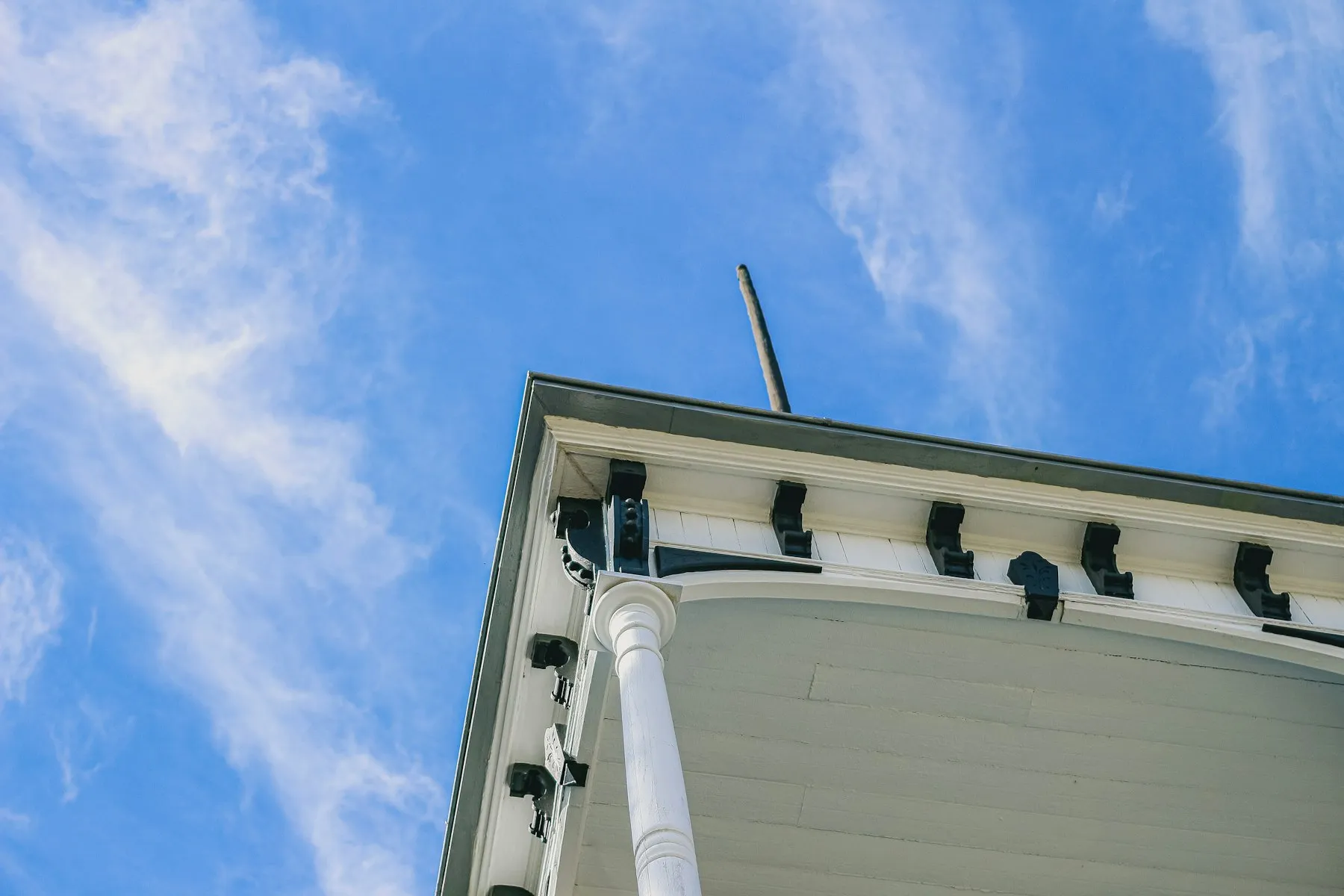
The downpipe is usually the constraint, not the gutter. A generously sized gutter feeding one small downpipe backs up at the outlet and overflows at the far end of the run. Adding a second downpipe frequently solves an overflow problem that looked like it needed a whole new system.
Getting the Installation Right
Falls. A gutter needs a consistent fall to its outlet. Too little and water stands, which corrodes the gutter and breeds mosquitoes. Too much and it looks wrong and reduces capacity at the high end. Long runs need the fall set out properly rather than eyeballed.
Bracket spacing. Brackets too far apart give you a sagging run within a few years, particularly on a gutter that has held standing water. Coastal properties need bracket fixings chosen for corrosion resistance as much as strength.
Outlet position. At the low point, with the fall running to it. Sounds obvious, and is frequently got wrong on additions and alterations where an outlet was left where it was.
Overflow provision. If the downpipe blocks, water needs a designed escape route that is not the wall of the house or the top of the fascia.
Fascia condition. New gutters need something sound to fix to. Where the old gutter has been leaking for years, the fascia behind it is usually rotten and has to be dealt with first. We check before quoting, because discovering it on the day changes the price.
Discharge. Downpipes have to deliver somewhere sensible. A downpipe discharging at the base of a wall creates the exact damp problem the gutter was installed to prevent.
Materials and the Coast
Seamless aluminium. Rolled on site to the exact length of the run, so no joints along its length, and joints are where gutters leak. Corrosion resistant, which matters enormously near the sea. The usual recommendation for Atlantic Seaboard and West Coast properties.
PVC. Inexpensive and does not corrode, but becomes brittle under Cape Town UV over time and has more joints.
Steel and galvanised profiles. Strong, and traditional on many older Cape Town homes, but coastal salt finds every scratch, cut edge and fixing point. Inland they last considerably longer than on the seafront.
Fibre cement and ogee profiles on heritage properties, where appearance is governed by what the building is.
Near the coast the material conversation matters more than it does inland, and so does the choice of bracket and fixing. Dissimilar metals in contact in salt air corrode faster than either would alone.